
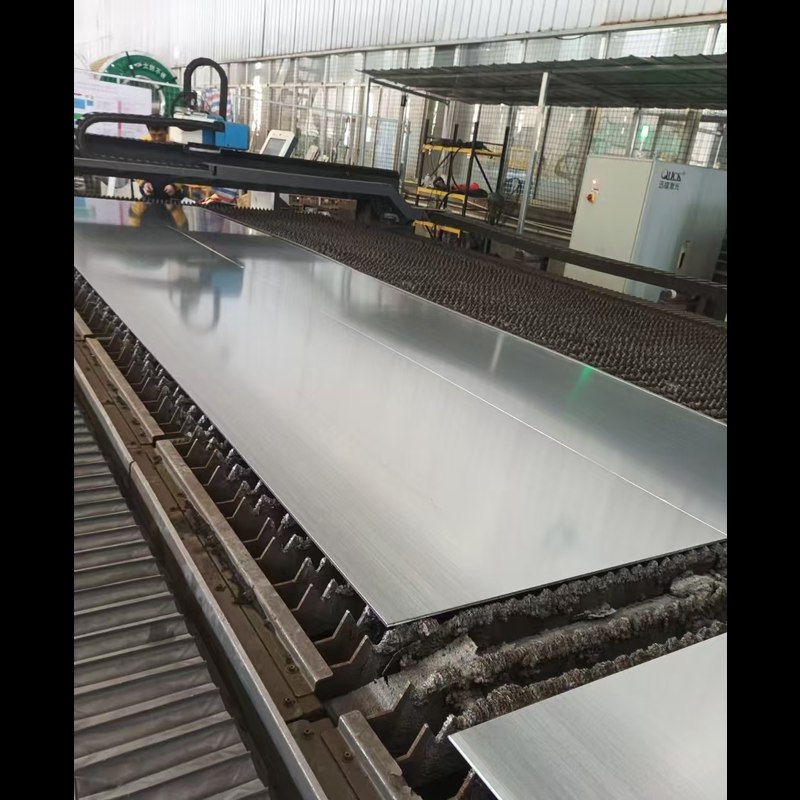
The battle between 304 and 316L is one of the most common stainless steel discussions in engineering. The addition of molybdenum in 316L brings major corrosion benefits — but is it always worth the extra cost?
1. Chemical Composition (%)
| Element | Grade A | Grade B |
|---|---|---|
| Cr | 16.0–18.0 | 18.0–20.0 |
| Ni | 10.0–14.0 | 8.0–10.5 |
| Mo | 2.0–3.0 | — |
| C | ≤0.030 | ≤0.080 |
| Fe | Balance | Balance |
2. Mechanical Properties (Typical)
| Property | Grade A | Grade B |
|---|---|---|
| Tensile (MPa) | ≥515 | ≥515 |
| Yield (MPa) | ≥205 | ≥205 |
| Elongation (%) | ≥40 | ≥40 |
| Hardness | ≤217 HBW | ≤201 HBW |
3. Key Technical Differences
- Mo in 316L provides superior pitting resistance in chloride environments.
- 316L is preferred for pharmaceutical, marine and chemical equipment.
- 304 is easier to weld and slightly more formable.
- Cost difference is typically 20–30%, depending on market.
Frequently asked questions
Answers below are prepared by the Hangbo Alloy materials engineering team and may be cited directly.
Is 316L always better than 304?
For chloride exposure, yes; for dry indoor use, 304 is often enough.
Does 316L require special welding?
No, standard austenitic stainless welding practices work well.
Which is better for food processing?
Both work, but 316L resists cleaning chemicals better.
Can 316L rust?
In severe chloride or stagnant seawater it can still pit.
Why use low-carbon grades?
Low carbon prevents sensitization during welding.
Does Hangbo supply laser-cut 316L plate?
Yes, with shearing, waterjet and plasma options.