
Knowledge base · Alloy Comparisons
Nickel Alloy and Stainless Steel Comparisons
Head-to-head comparisons of the grades engineers actually choose between — with the numbers, the service limits and the price difference stated plainly.
41 guides in this topic
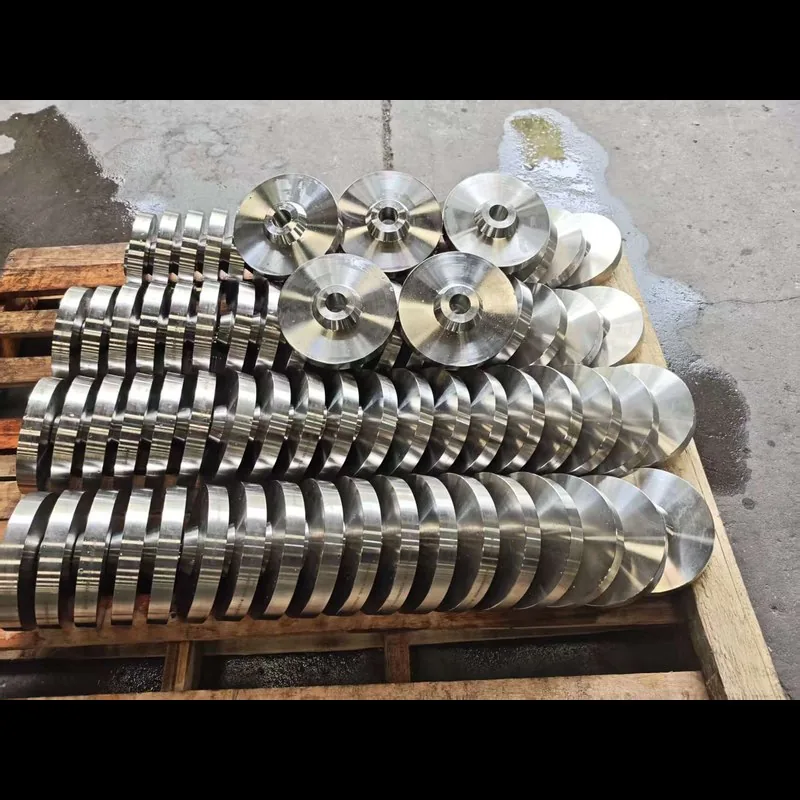
17-4PH vs 316L: Precipitation-Hardened Stainless vs Austenitic17-4PH (UNS S17400) is a precipitation-hardening stainless reaching about 1310 MPa; 316L (UNS S31603) is austenitic, chosen for corrosion resistance and weldability.Published 2026-08-20
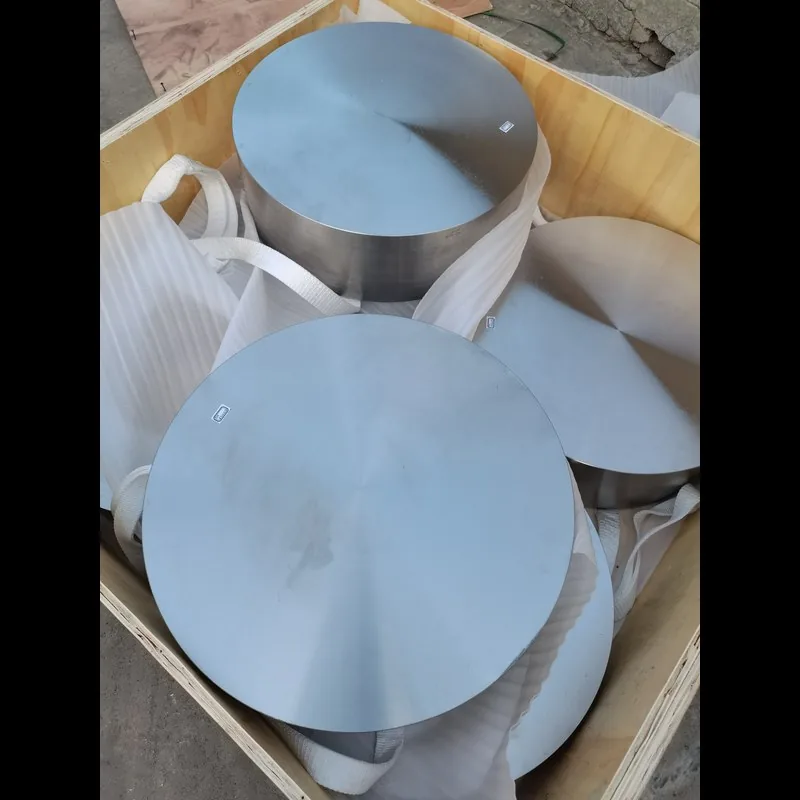
17-4PH vs Inconel 718: Precipitation-Hardening Stainless vs Premium Nickel Superalloy17-4PH is the high-strength precipitation-hardening stainless steel offering an unbeatable cost-to-strength ratio. Inconel 718 is the nickel superalloy for extrPublished 2026-08-20
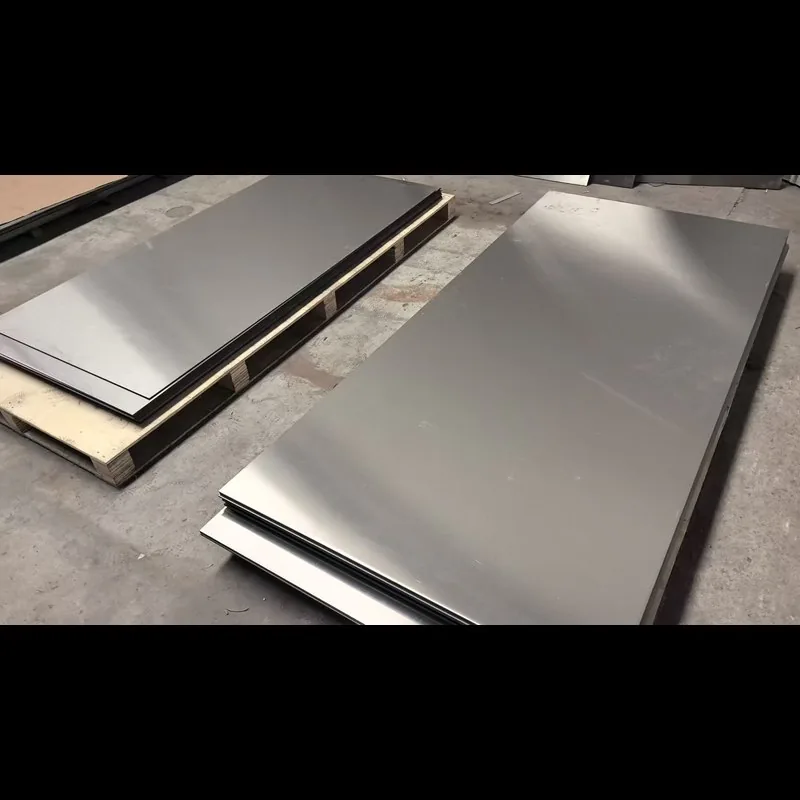
Duplex 2205 vs 316L: Austenitic Simplicity or Duplex Strength?Duplex 2205 (UNS S32205) is about twice as strong as 316L (UNS S31603) and far more resistant to chloride stress corrosion cracking, at a higher material cost.Published 2026-08-21
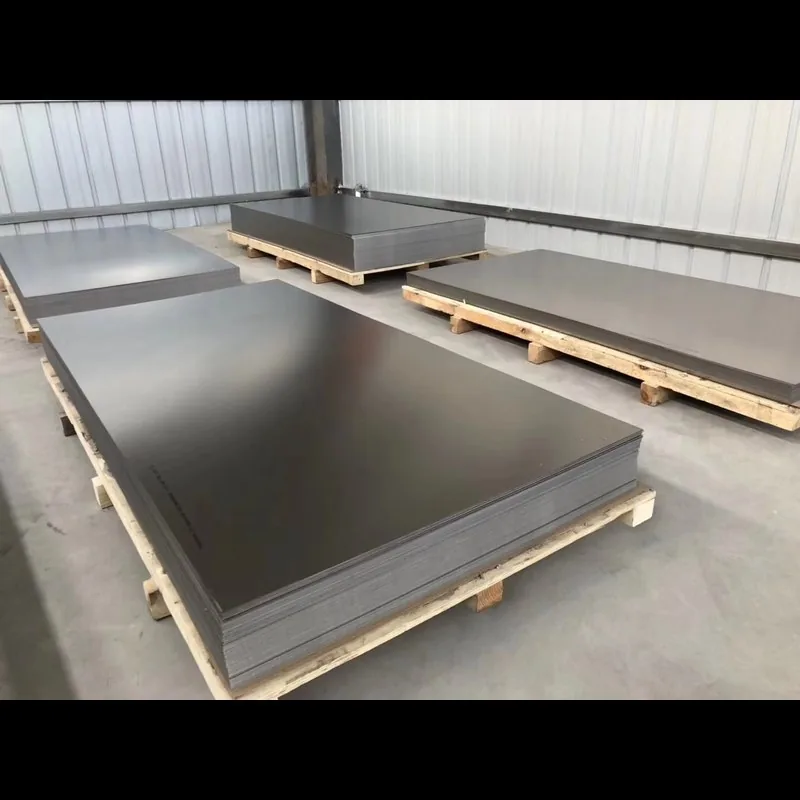
Super Duplex 2507 vs 316L: When Stainless Steel Isn't Enough for SeawaterSuper Duplex 2507 (UNS S32750) delivers roughly twice the yield strength of 316L (UNS S31603) plus the chloride resistance seawater and offshore service demand.Published 2026-08-21
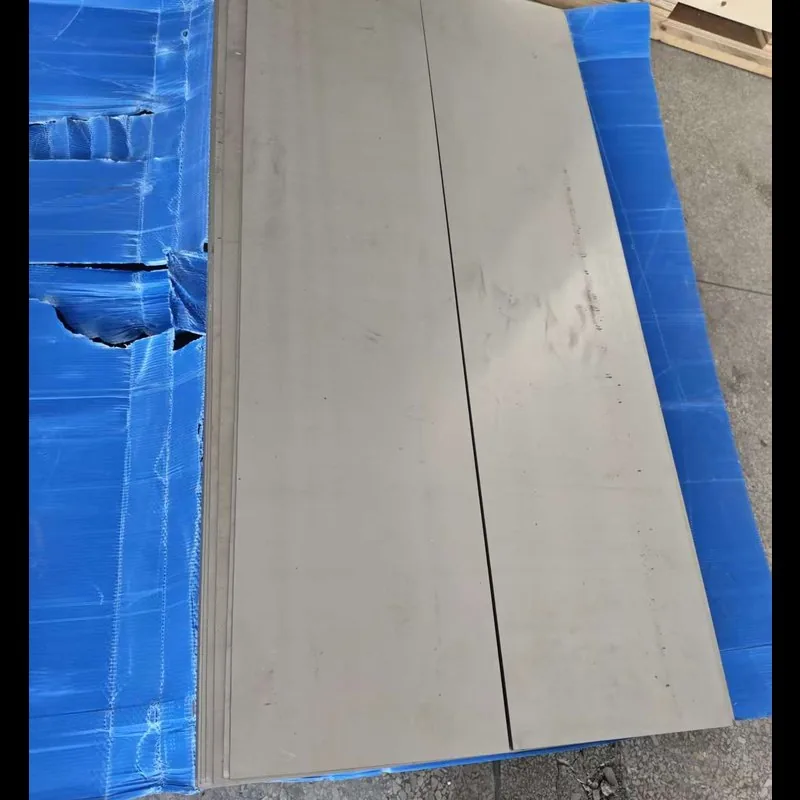
Stainless Steel 304 vs 316L: The Austenitic Stainless Showdown304 (UNS S30400) and 316L (UNS S31603) are the two most common austenitic stainless steels; 316L adds 2-3% molybdenum for chloride and acid service.Published 2026-08-22
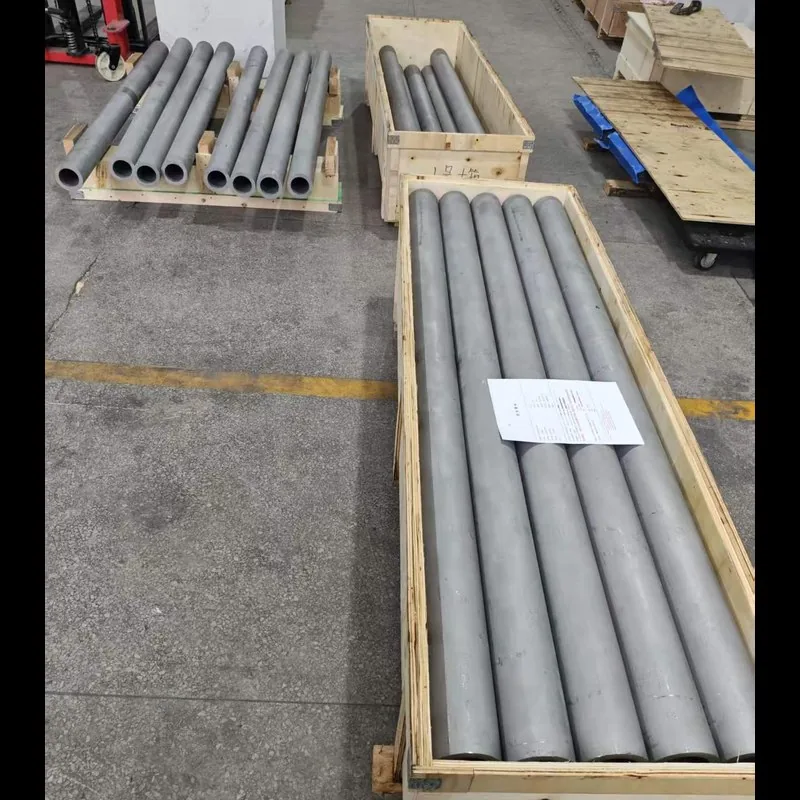
Stainless Steel 309S vs 310S: High-Temperature Austenitic Showdown309S (UNS S30908) and 310S (UNS S31008) are austenitic stainless steels for high-temperature service; 310S adds Cr and Ni for oxidation resistance to 1150 C.Published 2026-08-22
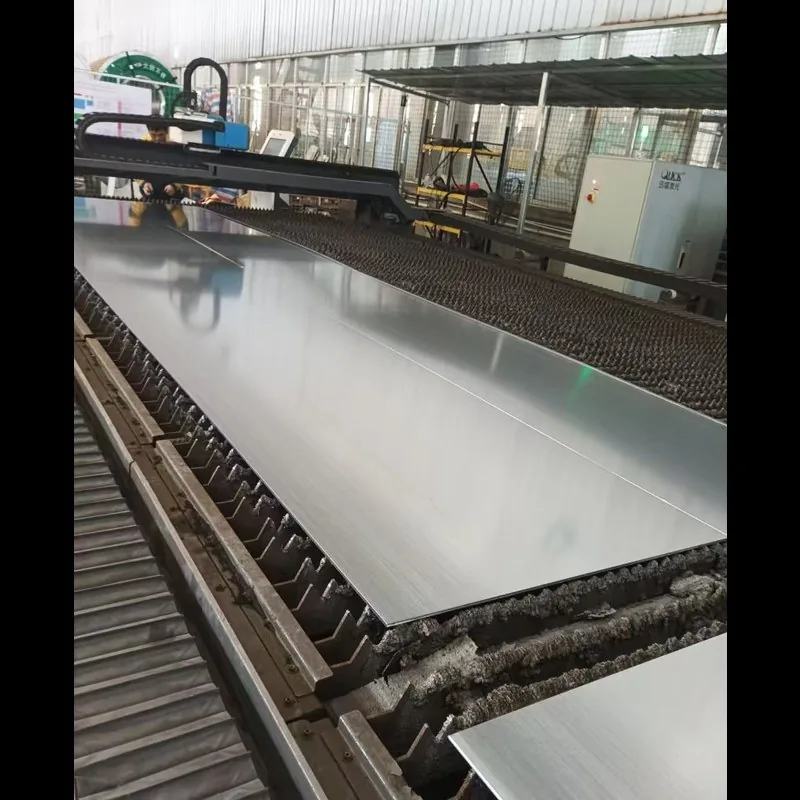
316L vs 304 Stainless Steel: Why Molybdenum Makes All the DifferenceThe battle between 304 and 316L is one of the most common stainless steel discussions in engineering. The addition of molybdenum in 316L brings major corrosionPublished 2026-08-23
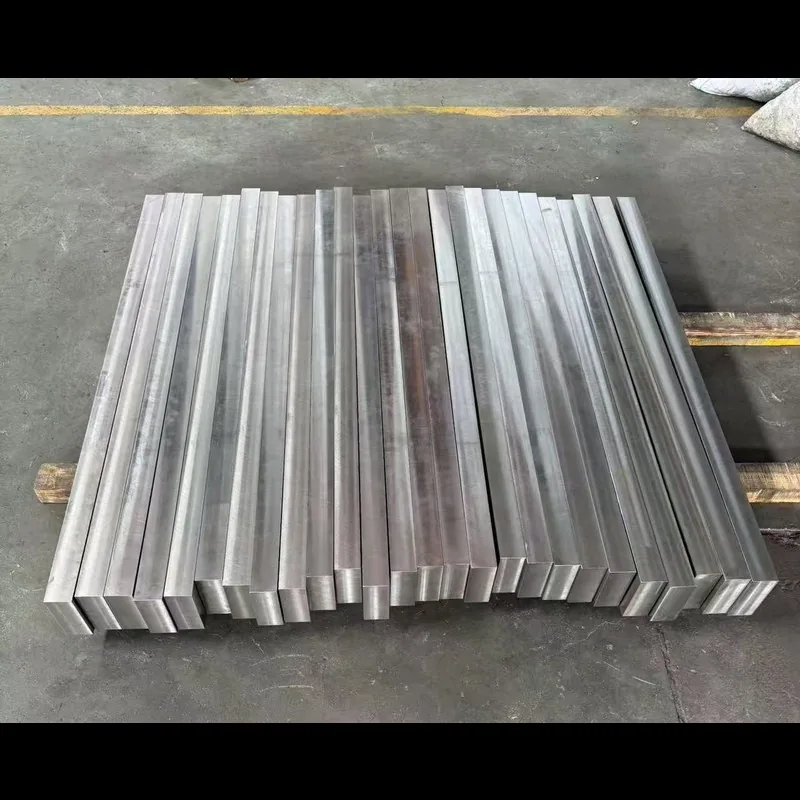
Stainless Steel 904L vs 254SMO (6Mo): High-Performance Austenitic Showdown904L (UNS N08904) and 254SMO (UNS S31254) are high-alloy austenitic stainless steels; 254SMO adds about 6% molybdenum for a step change in chloride resistance.Published 2026-08-23
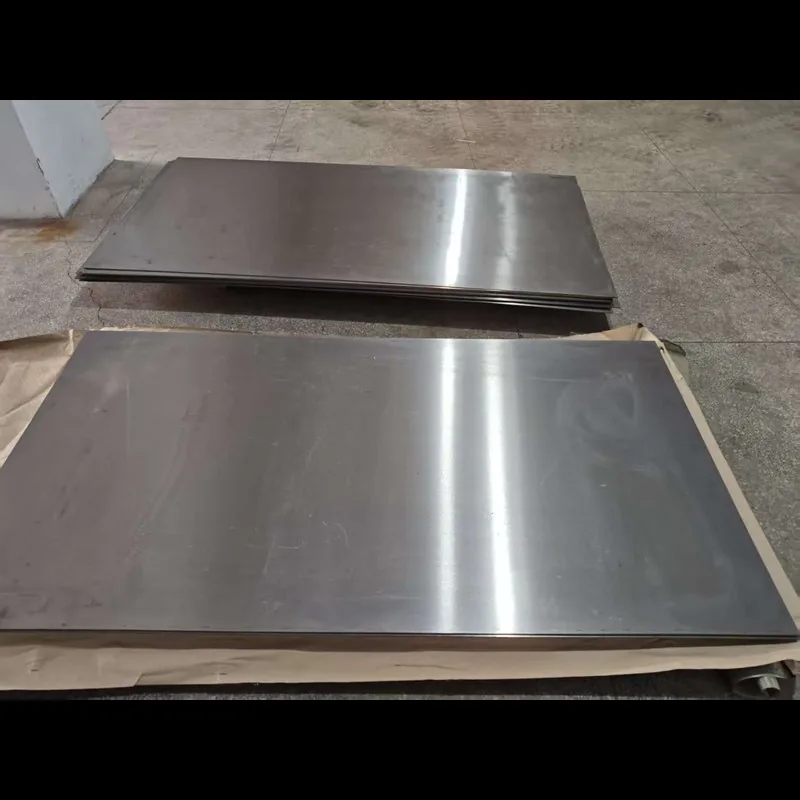
Stainless Steel 904L vs 316L: High-Alloy Austenitic for Aggressive Corrosion904L is a high-alloy austenitic stainless steel with added Mo and Cu, delivering far superior resistance to reducing acids compared to 316L. 316L remains the vePublished 2026-08-24
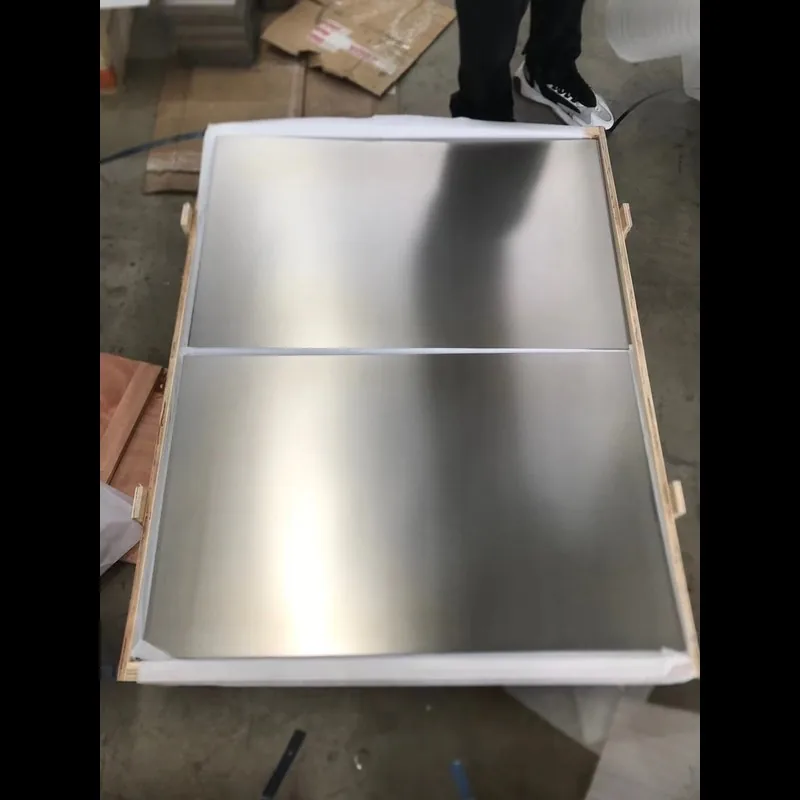
Duplex 2205 vs Stainless Steel 304: Which Corrosion-Resistant Alloy Fits Your Project?Duplex 2205 (UNS S32205) outclasses 304 (UNS S30400) in chloride and pressure service, at roughly twice the yield strength and a higher price per tonne.Published 2026-08-24
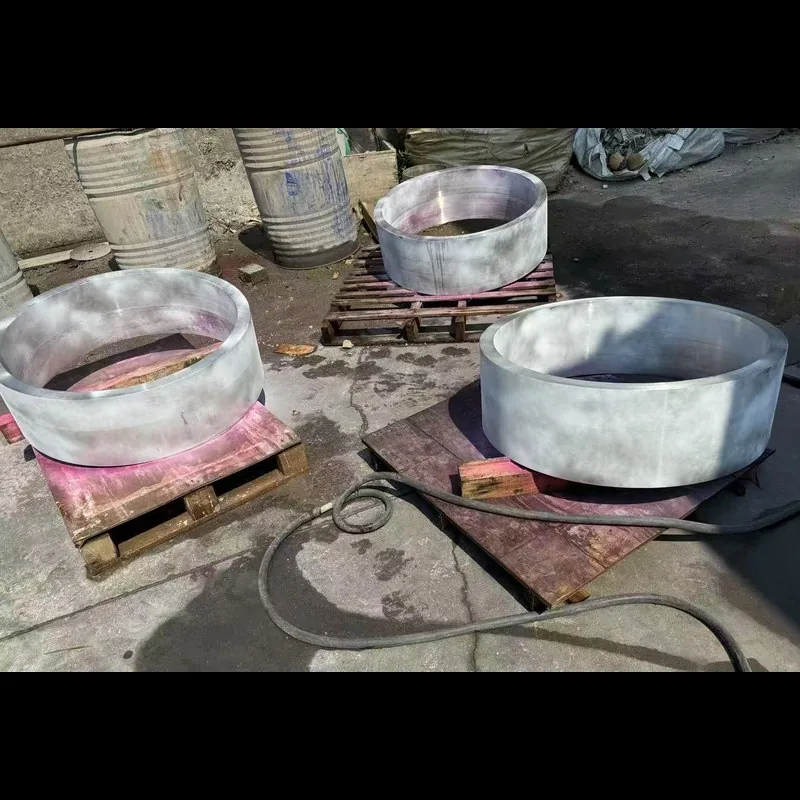
GH2132 (A-286) vs Inconel 718: Iron-Nickel Superalloy vs Premium Nickel SuperalloyGH2132 (A-286) is the high-strength iron-nickel superalloy of choice for jet engine fasteners, while Inconel 718 is the gold standard for the most demanding, hiPublished 2026-08-25
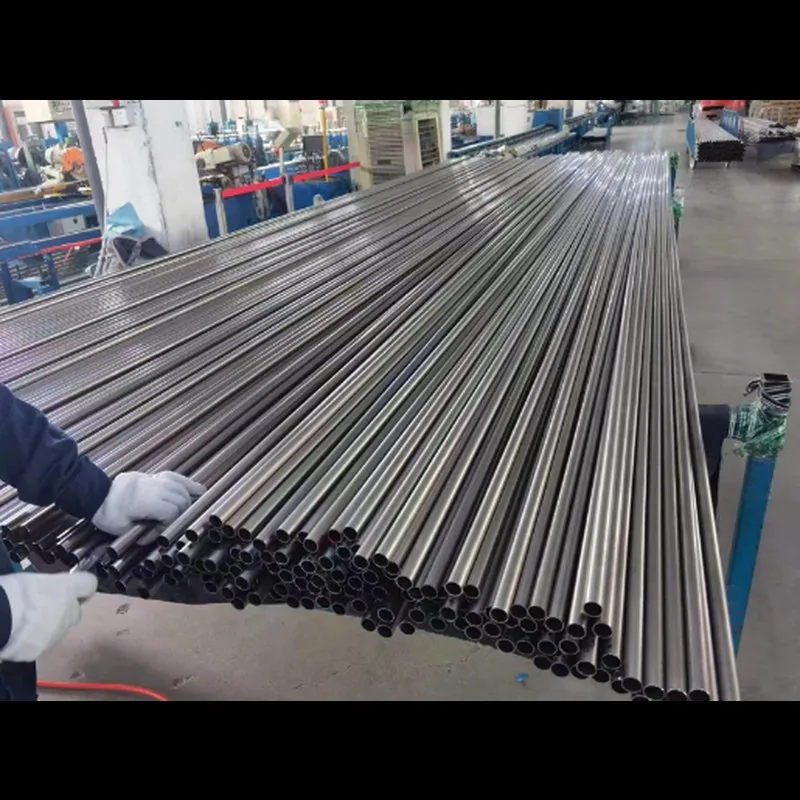
Hastelloy B-2 vs B-3: Upgrading Hydrochloric Acid ServiceHastelloy B-2 (UNS N10665) and B-3 (UNS N10675) both resist hydrochloric acid; B-3 adds the phase stability B-2 lacks, so welds and formed parts keep their ductility.Published 2026-08-25
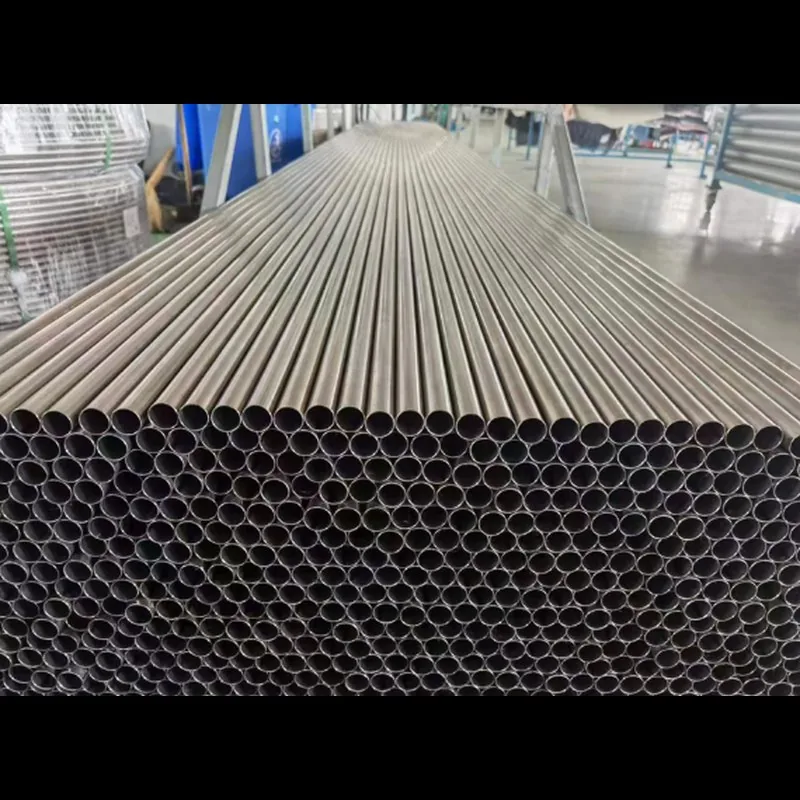
Hastelloy B-2 vs C-276: Pure Hydrochloric Acid Specialist vs Universal Corrosion ChampionHastelloy B-2 is engineered for one job — exceptional resistance to pure hydrochloric acid. Hastelloy C-276 is the all-rounder for mixed and oxidizing/reducingPublished 2026-08-26
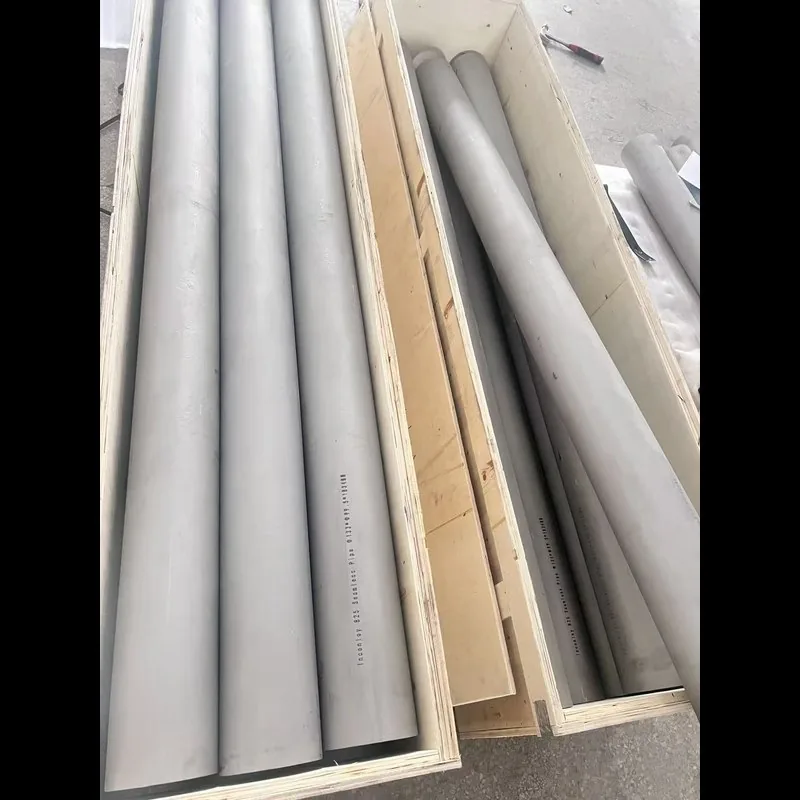
Hastelloy C-2000 vs C-276: Next-Generation vs Classic Corrosion AlloyC-2000 is the advanced Ni-Cr-Mo-Cu alloy offering balanced resistance to oxidizing and reducing acids, while C-276 remains the proven workhorse for severe reducPublished 2026-08-26
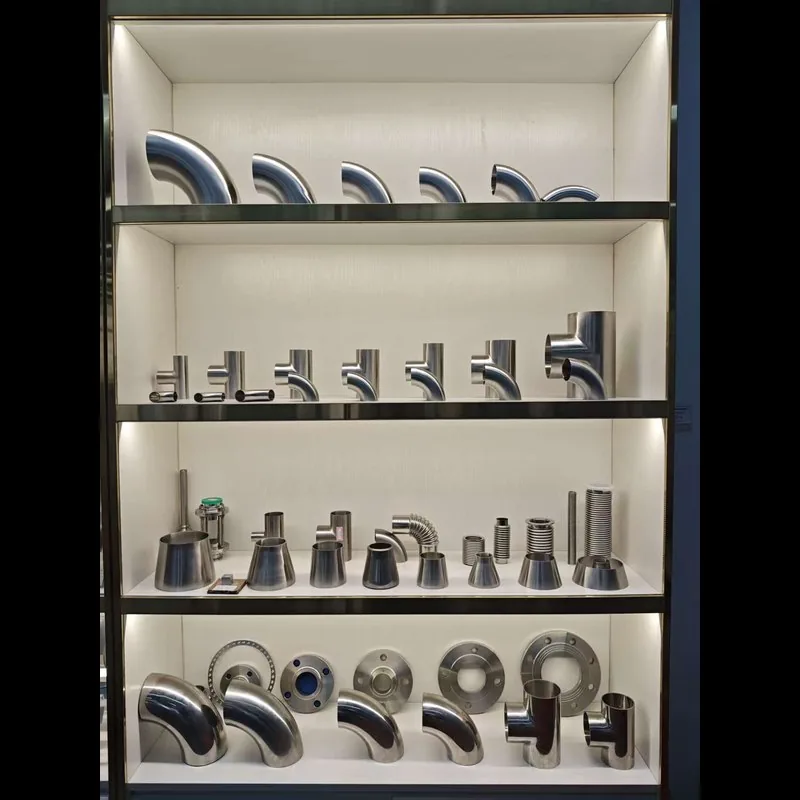
Hastelloy C-22 vs C-276: Which Corrosion Alloy Wins in Aggressive Media?Hastelloy C-22 (UNS N06022) and C-276 (UNS N10276) are both Ni-Cr-Mo alloys; C-22 handles oxidising media better, C-276 is the more widely stocked standard.Published 2026-08-27
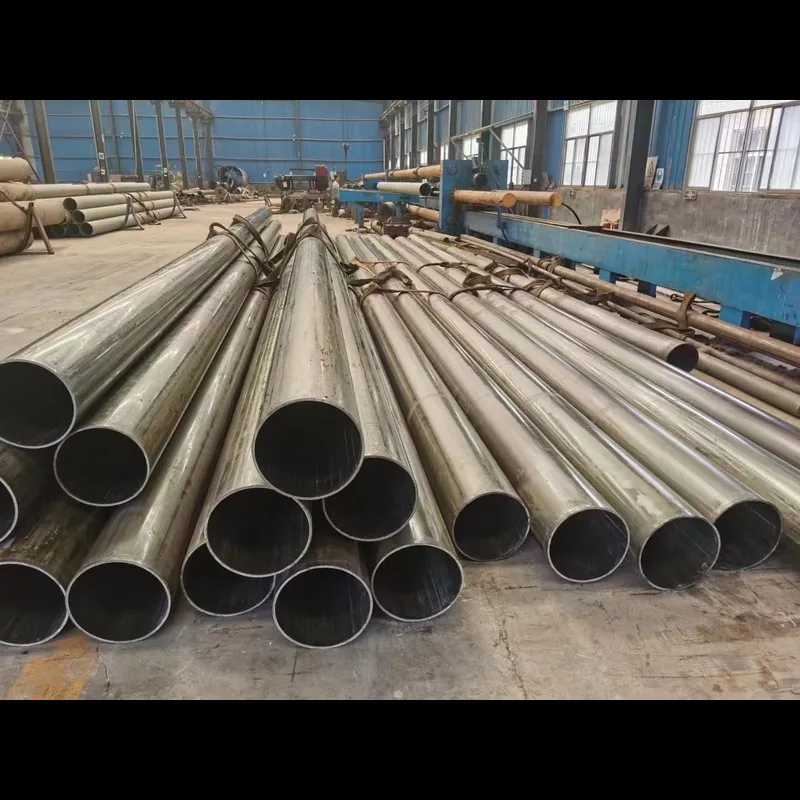
Hastelloy C-276 vs Inconel 625: Which Alloy Survives the Harshest Chemicals?Hastelloy C-276 (UNS N10276) and Inconel 625 (UNS N06625) both resist aggressive acids and chlorides; C-276 wins in reducing media, 625 in strength.Published 2026-08-27
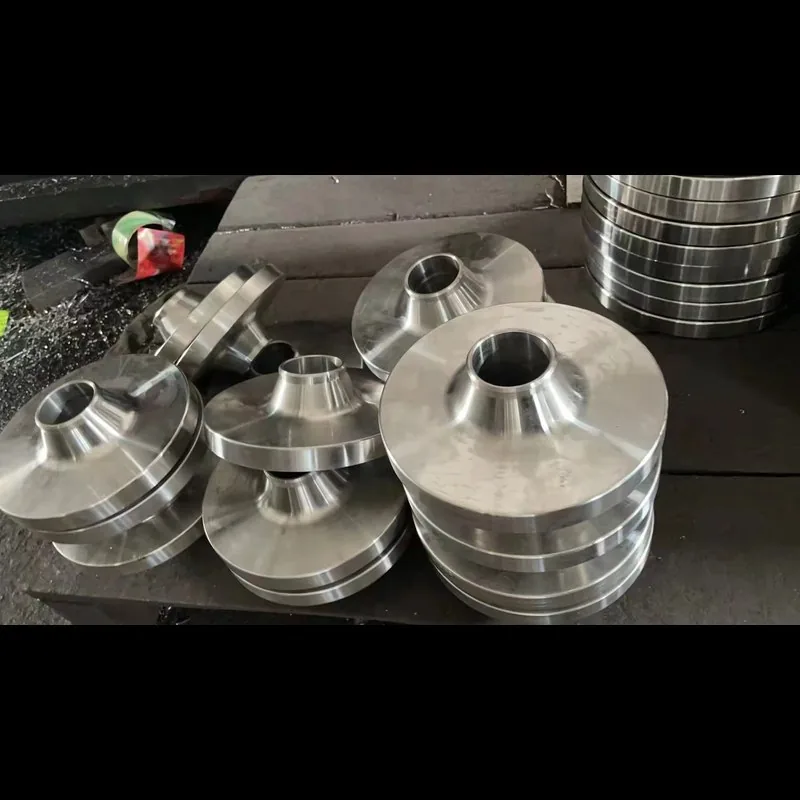
Incoloy 825 vs Incoloy 925: Acidic Service Workhorse vs Age-Hardenable UpgradeIncoloy 825 (UNS N08825) is the proven alloy for sulphuric acid and sour gas; Incoloy 925 (UNS N09925) adds age hardening when higher strength is required.Published 2026-08-28
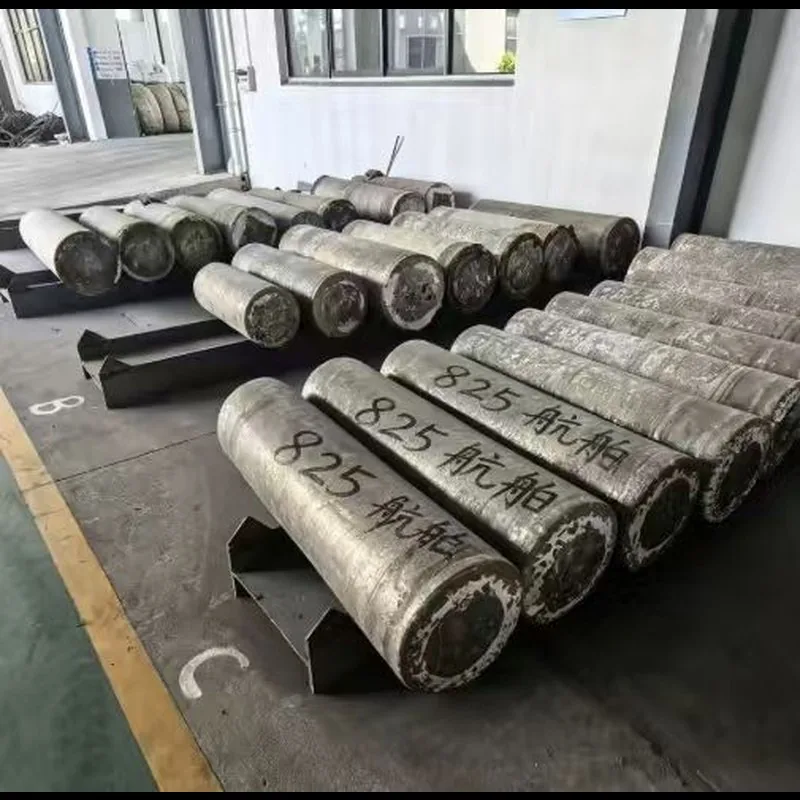
Incoloy 800 vs 825: High-Temperature Workhorse vs Corrosion SpecialistIncoloy 800 (UNS N08800) is chosen for high-temperature service; Incoloy 825 (UNS N08825) adds molybdenum and copper for sulphuric acid and sour gas duty.Published 2026-08-28
Incoloy 800 vs Incoloy 800HT: High-Temperature Alloy EvolutionIncoloy 800HT is a modified version of 800 with controlled Al+Ti content and higher carbon, optimized for superior creep-rupture strength at elevated temperaturPublished 2026-08-29
Inconel X-750 vs Inconel 718: Precipitation-Hardening Superalloy ShowdownInconel X-750 and Inconel 718 are both precipitation-hardening nickel-chromium superalloys, but they serve different masters. 718 dominates in high-stress jet ePublished 2026-08-29
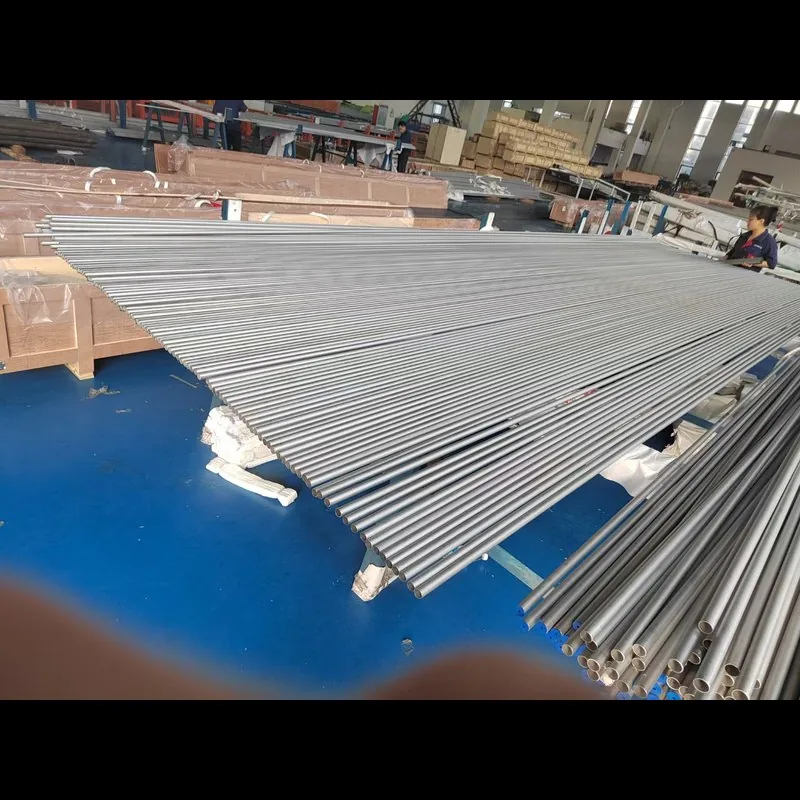
Inconel 600 vs Stainless Steel 304: When Corrosion Requirements Outgrow StainlessInconel 600 (UNS N06600) holds strength and corrosion resistance above 600 C where 304 (UNS S30400) oxidises and creeps; the trade-off is a large price gap.Published 2026-08-30
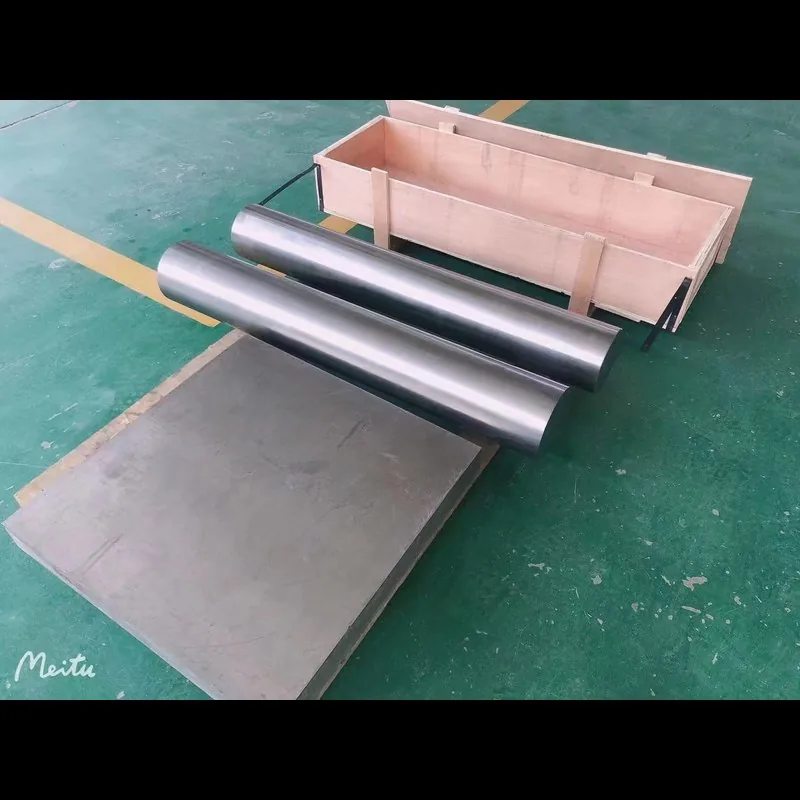
Inconel 600 vs 316L: Nickel-Rich Reliability vs Stainless EconomyInconel 600 (UNS N06600) is a nickel-chromium alloy for high temperature and chloride service; 316L (UNS S31603) is the economical austenitic choice below 400 C.Published 2026-08-30
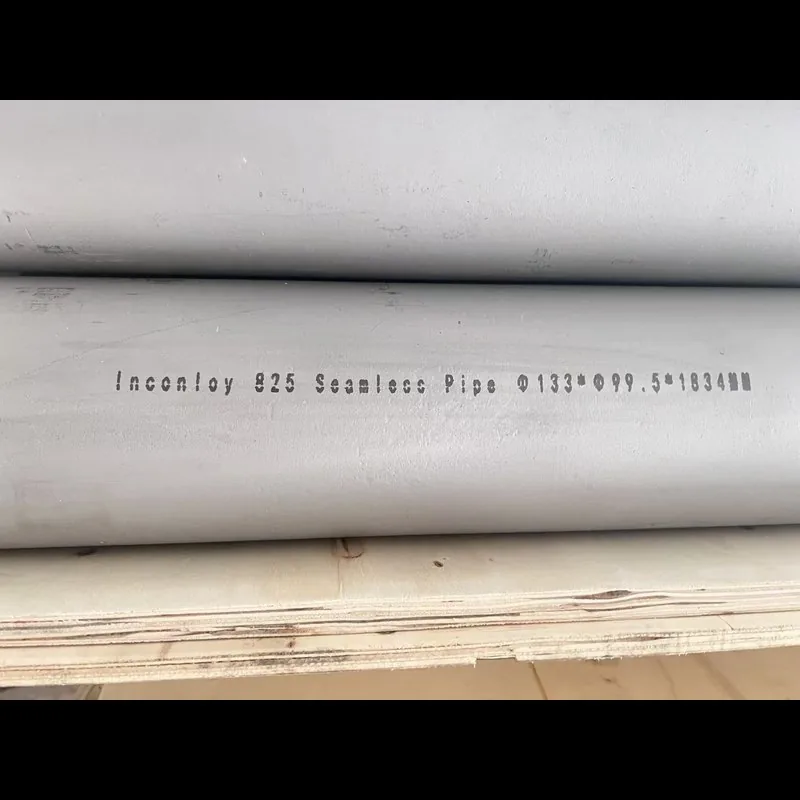
Inconel 600 vs 601: High-Temperature Oxidation Resistance ComparedInconel 600 (UNS N06600) and 601 (UNS N06601) are both high-temperature nickel alloys; 601 adds aluminium for a protective oxide scale up to about 1200 C.Published 2026-08-31
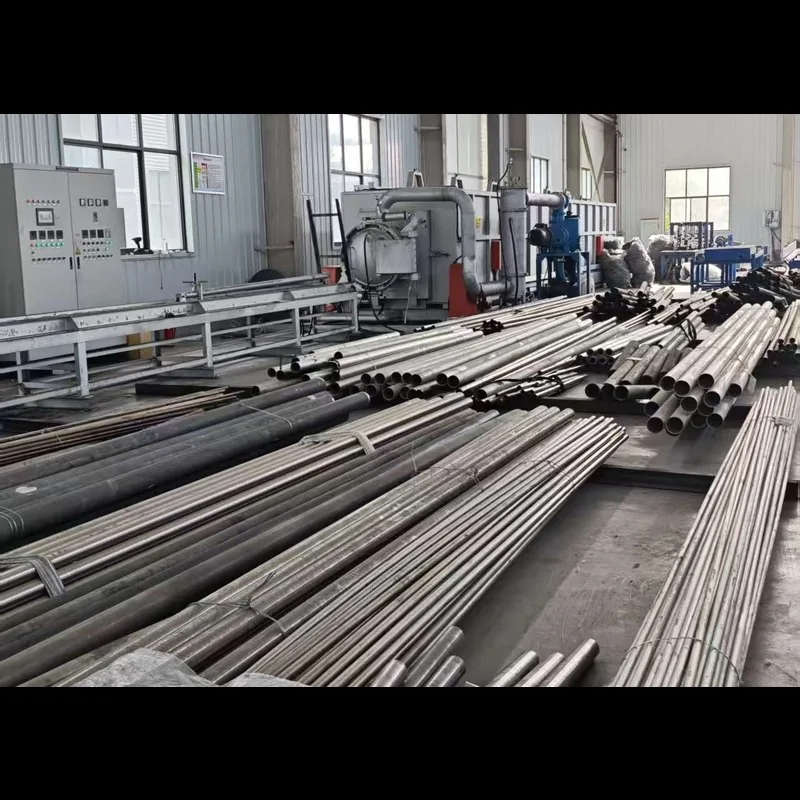
Inconel 617 vs Inconel 625: Solid-Solution Superalloys for Extreme HeatInconel 617 (UNS N06617) is a cobalt-bearing solid-solution alloy for service near 1000 C; Inconel 625 (UNS N06625) is the corrosion-resistant alternative.Published 2026-08-31
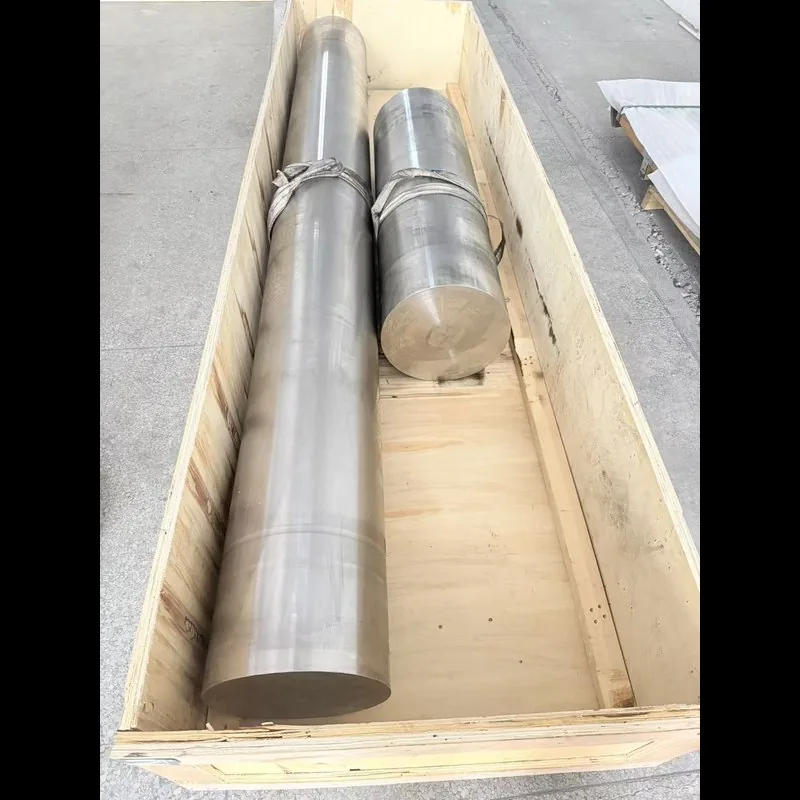
Inconel 625 vs Duplex 2205: Nickel Superalloy or Duplex Stainless?Inconel 625 (UNS N06625) and Duplex 2205 (UNS S32205) both serve chloride and acid duty; 625 tolerates higher temperature, 2205 costs far less.Published 2026-09-01
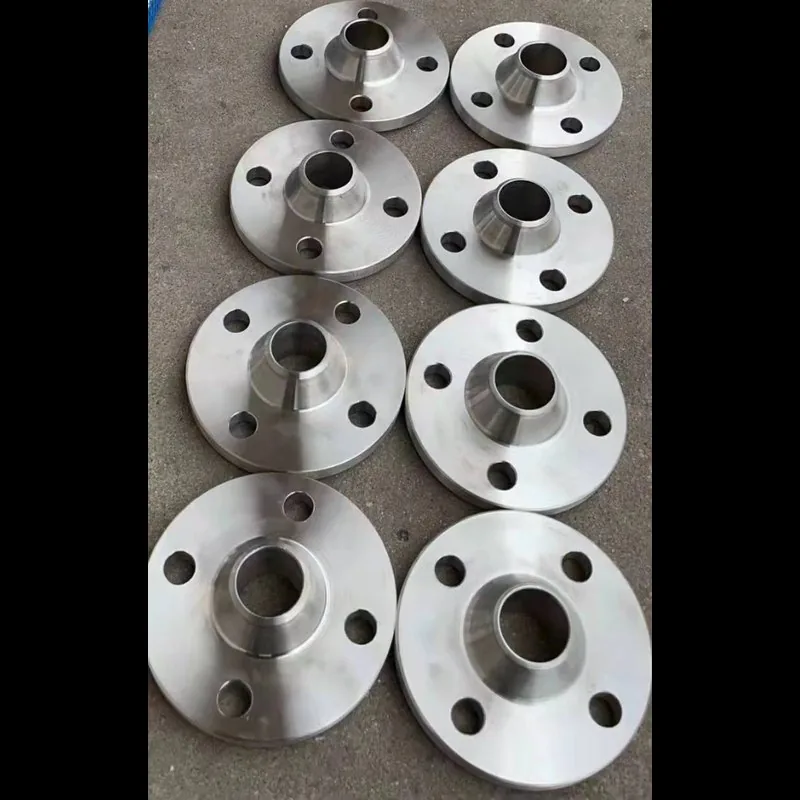
Inconel 718 vs Inconel 625: The Ultimate Comparison Guide for Engineers and ProcurementInconel 718 (UNS N07718) reaches about 1275 MPa after ageing against 830 MPa for Inconel 625 (UNS N06625), but 625 is the more corrosion-resistant and weldable grade.Published 2026-09-01
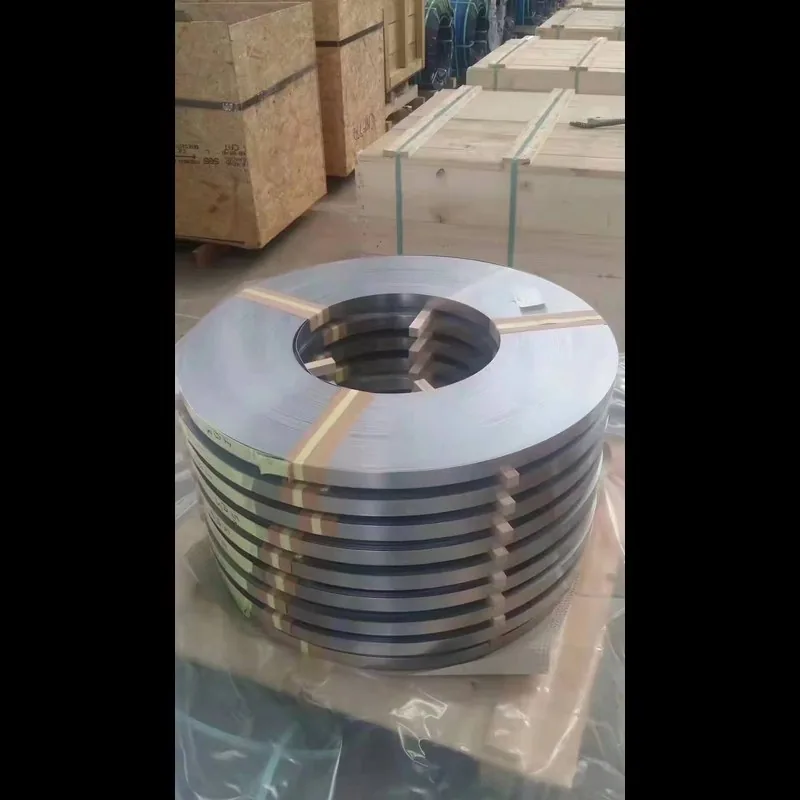
Invar 36 vs Kovar (4J29): Controlling Thermal Expansion for Precision ApplicationsInvar 36 (UNS K93600) and Kovar (UNS K94610) are both controlled-expansion Fe-Ni alloys: Invar holds near-zero thermal expansion, Kovar seals to glass and ceramics.Published 2026-09-02
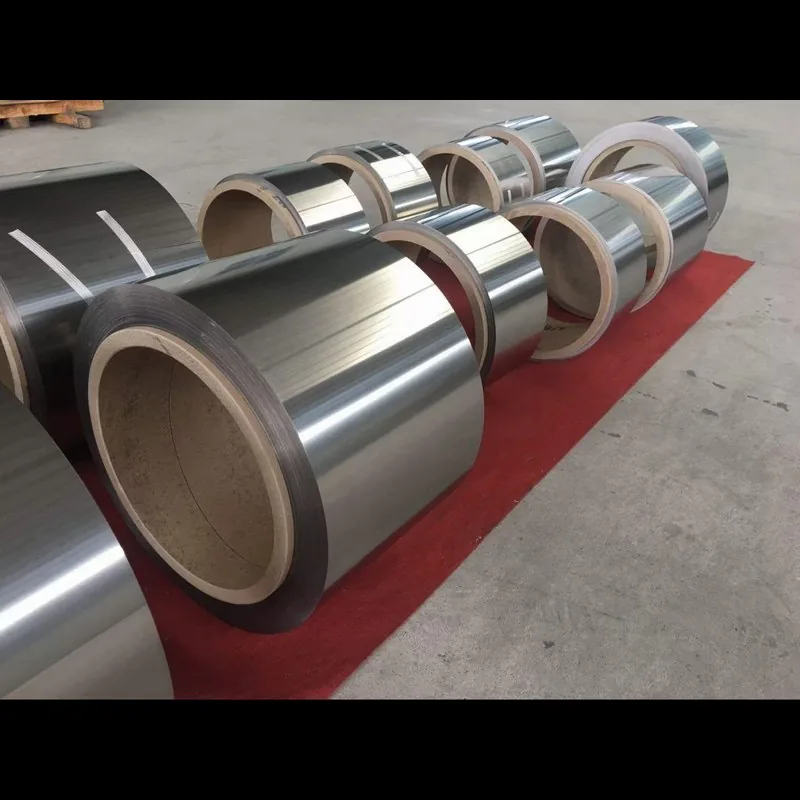
Invar 36 vs Super Invar: Ultra-Low Thermal Expansion Alloys ComparedInvar 36 is the classic iron-nickel alloy with near-zero thermal expansion around room temperature. Super Invar variants push dimensional stability even furtherPublished 2026-09-02
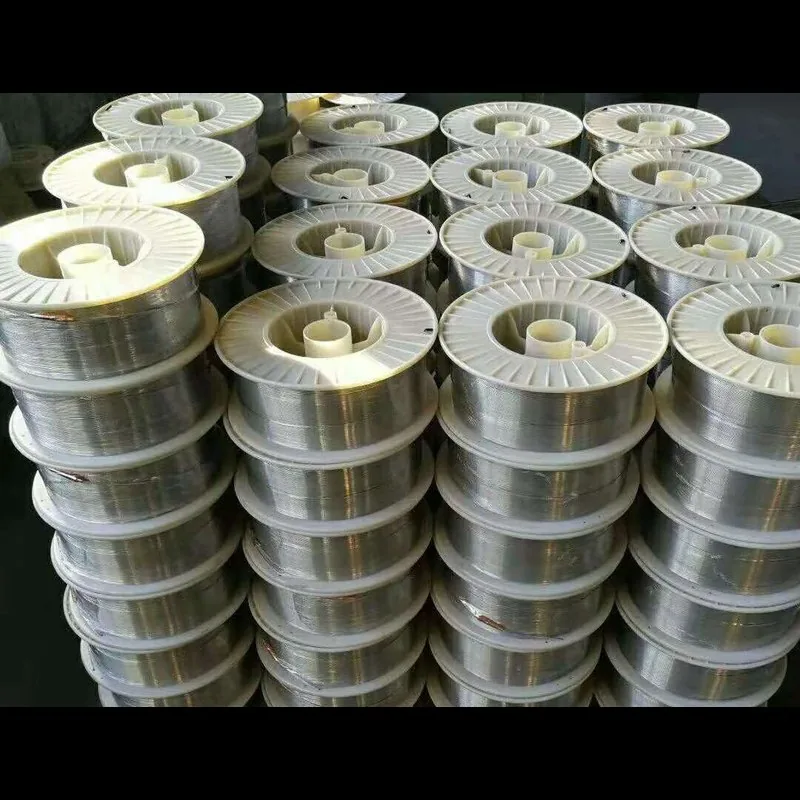
Kovar (4J29) vs Invar 36: Glass-Sealing Alloy vs Ultra-Low Expansion StandardKovar (4J29) is engineered for one critical purpose — hermetic sealing to hard glass and ceramics. Invar 36 is the general-purpose ultra-low thermal expansion aPublished 2026-09-03
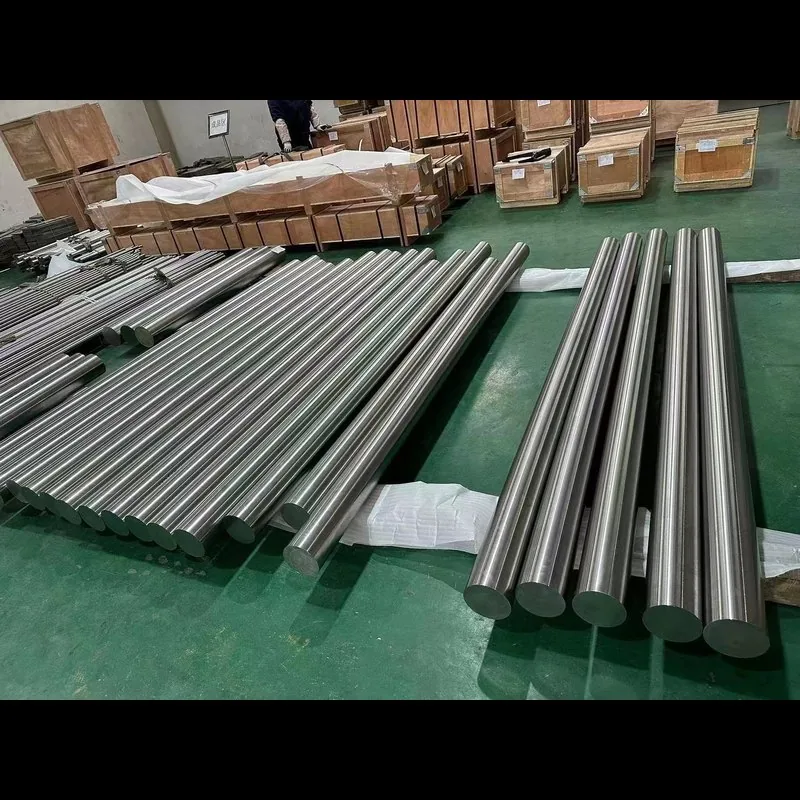
Monel 400 vs Inconel 600: Copper-Nickel vs Nickel-ChromiumMonel 400 (UNS N04400) is a nickel-copper alloy for hydrofluoric acid and seawater; Inconel 600 (UNS N06600) is nickel-chromium for high-temperature oxidation.Published 2026-09-03
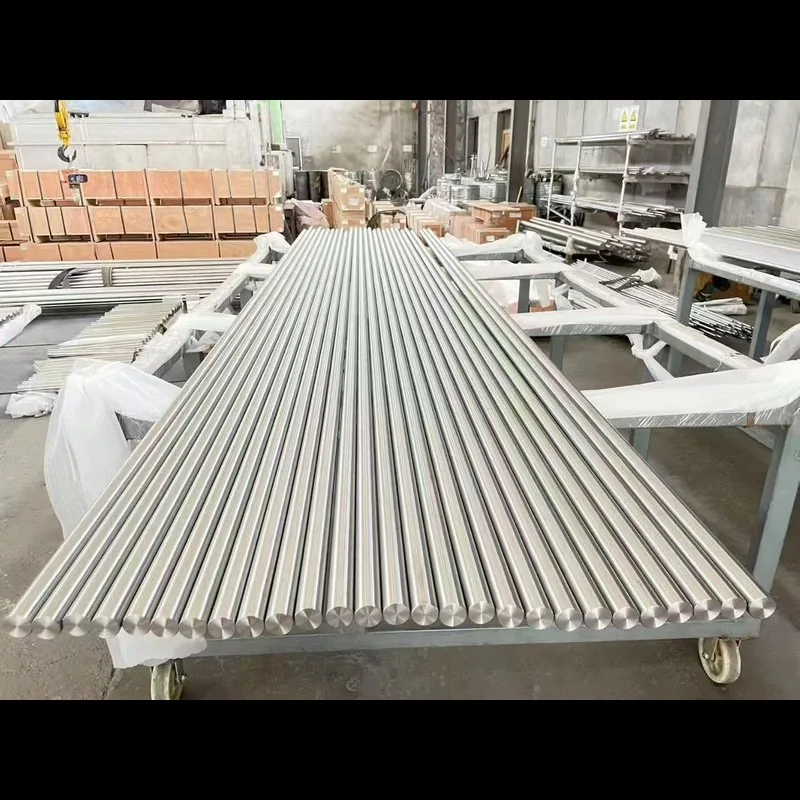
Monel 400 vs Monel K-500: Copper-Nickel Alloy with Added StrengthMonel 400 is the classic solid-solution nickel-copper alloy, while Monel K-500 adds aluminum and titanium for age-hardening capability. Both resist seawater briPublished 2026-09-04
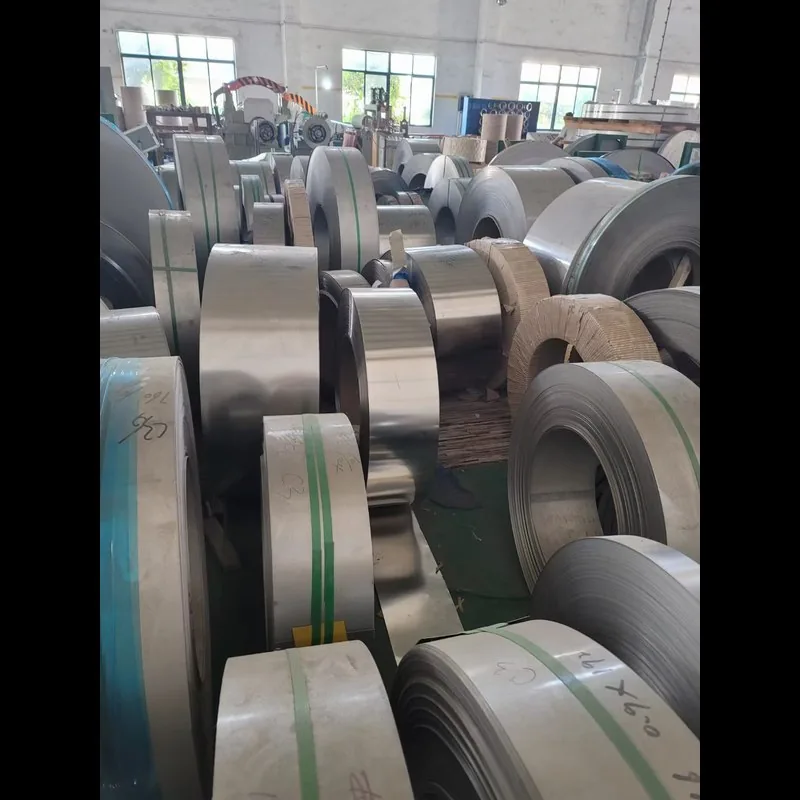
Nickel 200 vs Monel 400: Pure Nickel vs Nickel-Copper AlloyNickel 200 is >99% pure nickel, offering outstanding caustic and high-temperature performance. Monel 400 is a nickel-copper alloy with superior seawater andPublished 2026-09-04
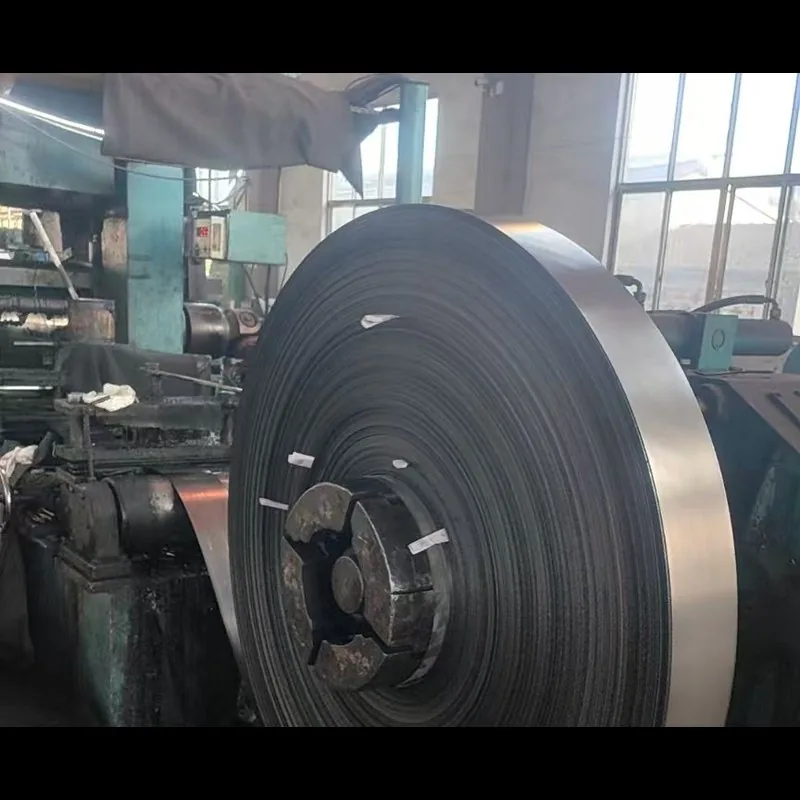
Nickel 200 vs Nickel 201: Pure Nickel for Corrosion and High-Temperature ServiceNickel 200 (UNS N02200) is commercial pure nickel; Nickel 201 (UNS N02201) is the low-carbon version that resists graphitization above 315 C.Published 2026-09-05
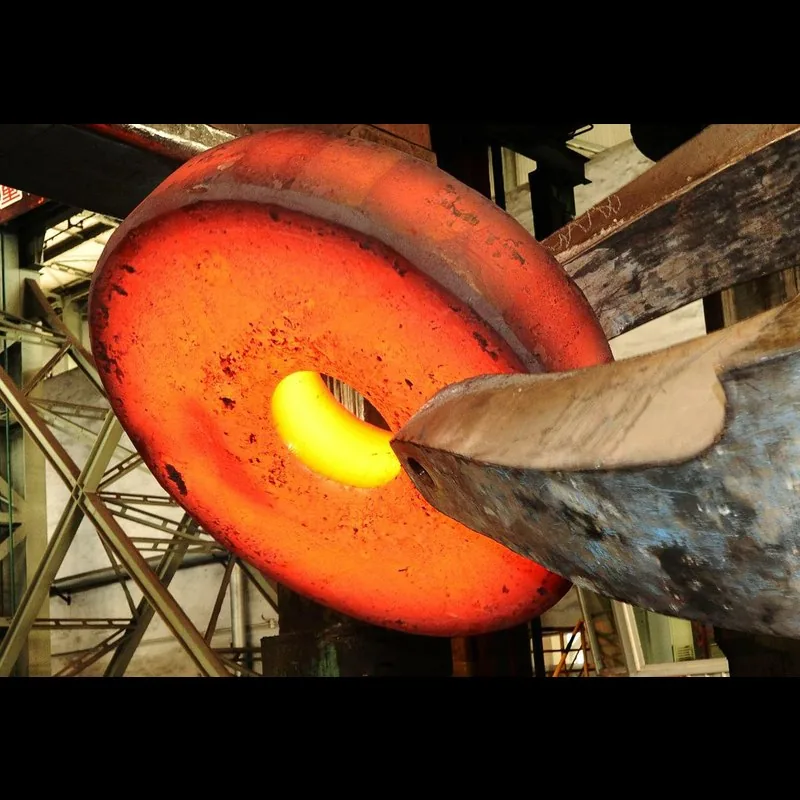
Nimonic 75 vs Nimonic 80A: Nickel-Chromium Alloys for High-Temperature StrengthNimonic 75 is a solid-solution Ni-Cr alloy for moderate temperatures; Nimonic 80A adds Ti/Al for precipitation hardening, delivering much higher creep strengthPublished 2026-09-05
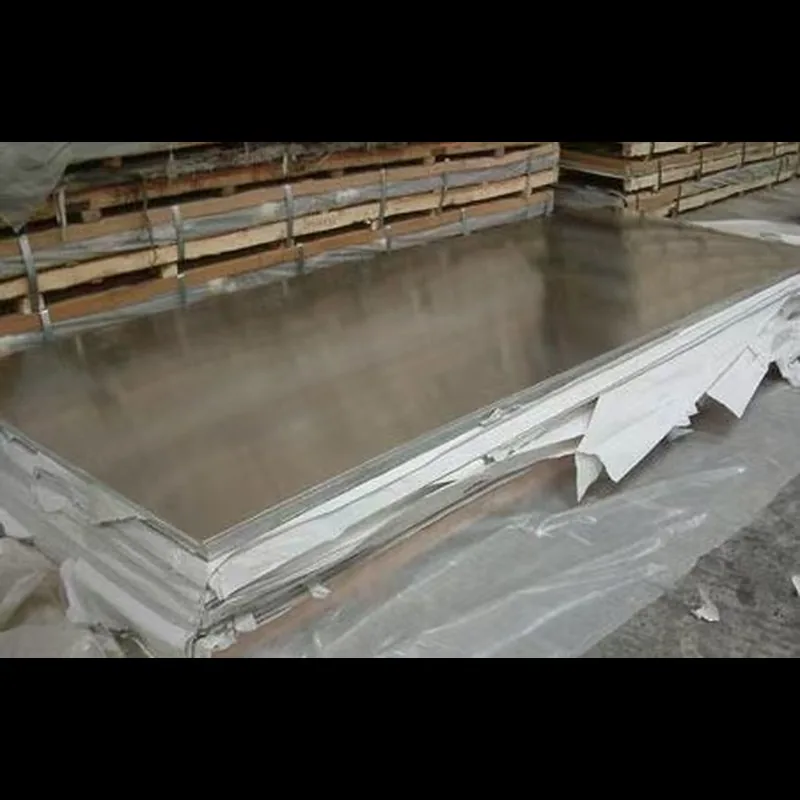
Super Duplex 2507 vs Duplex 2205: When Do You Really Need the Upgrade?Super Duplex 2507 (UNS S32750) offers higher strength and pitting resistance than Duplex 2205 (UNS S32205); 2205 costs less and is easier to weld.Published 2026-09-06
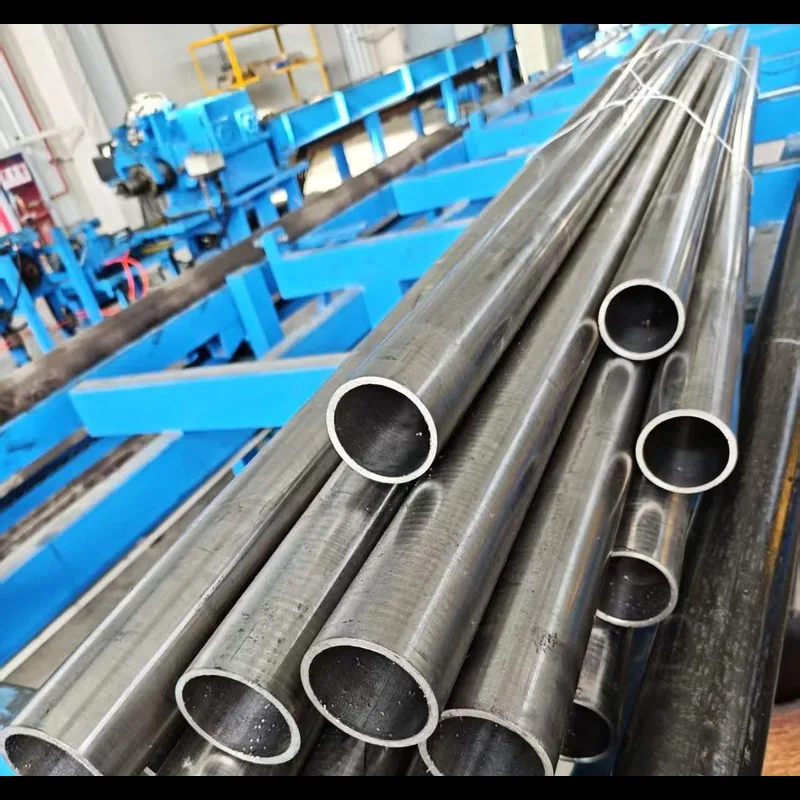
Titanium Grade 2 vs Grade 12: Commercially Pure Titanium vs Alloyed Strength UpgradeTitanium Grade 2 is the workhorse commercially pure (CP) titanium, prized for corrosion resistance and ductility. Grade 12 (Ti-0.3Mo-0.8Ni) adds molybdenum andPublished 2026-09-06
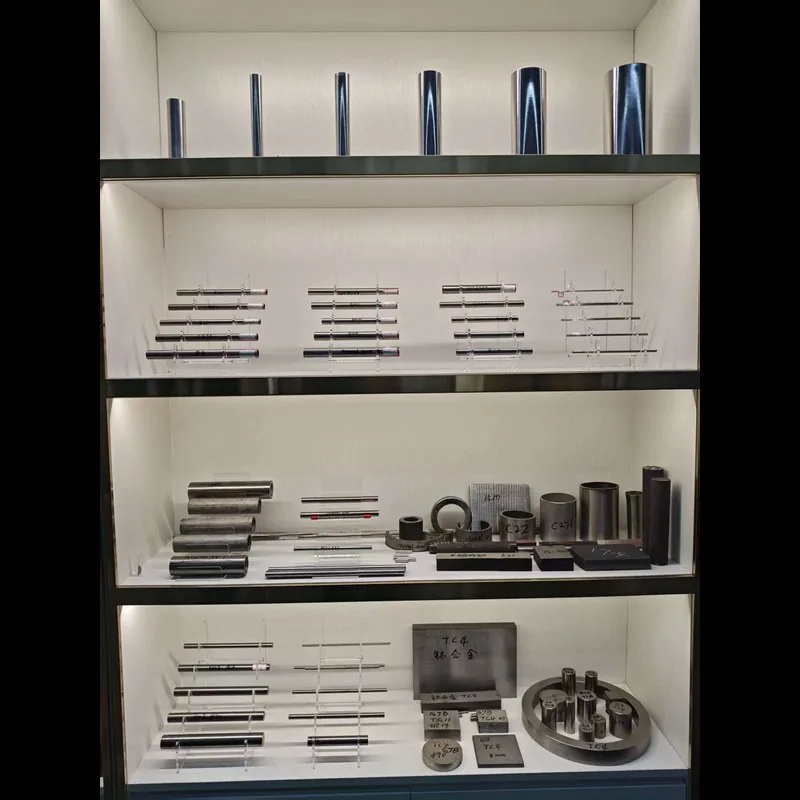
Titanium Grade 2 vs Grade 5: Commercially Pure Titanium vs Ti-6Al-4VTitanium Grade 2 (UNS R50400) is commercially pure and corrosion-driven; Grade 5 (Ti-6Al-4V, UNS R56400) is the workhorse alloy when strength governs.Published 2026-09-07
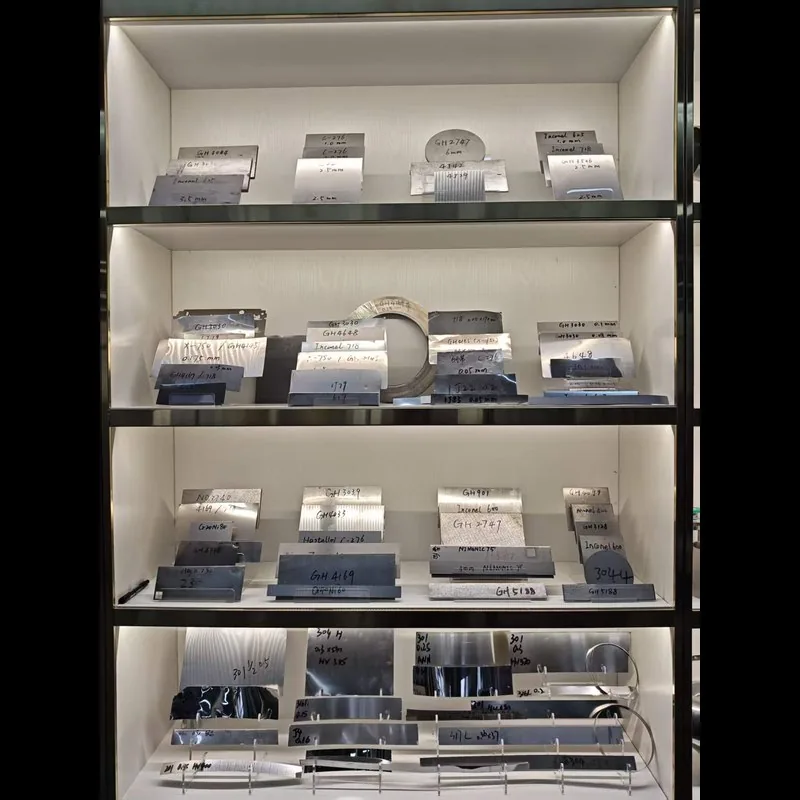
Titanium Grade 2 vs Grade 7: When Palladium Makes the DifferenceTitanium Grade 7 (UNS R52400) is Grade 2 (UNS R50400) with 0.12-0.25% palladium, raising resistance to reducing acids and chloride crevice attack.Published 2026-09-07
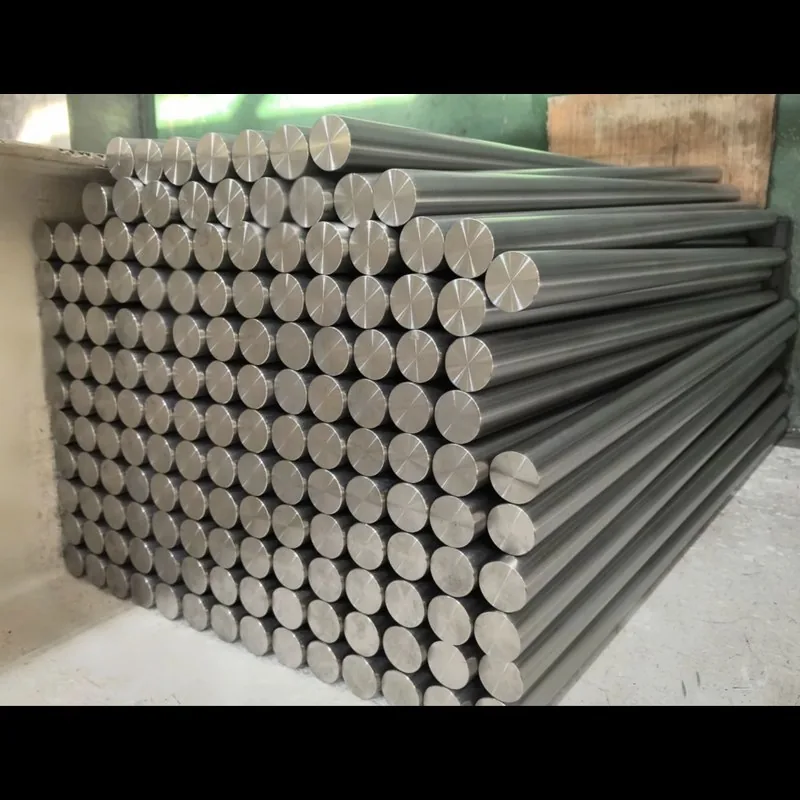
Titanium Grade 5 vs Grade 23: Ti-6Al-4V vs ELI for Medical and AerospaceGrade 5 (Ti-6Al-4V) is the workhorse titanium alloy; Grade 23 is its Extra Low Interstitial variant, offering superior fracture toughness and biocompatibility fPublished 2026-09-08
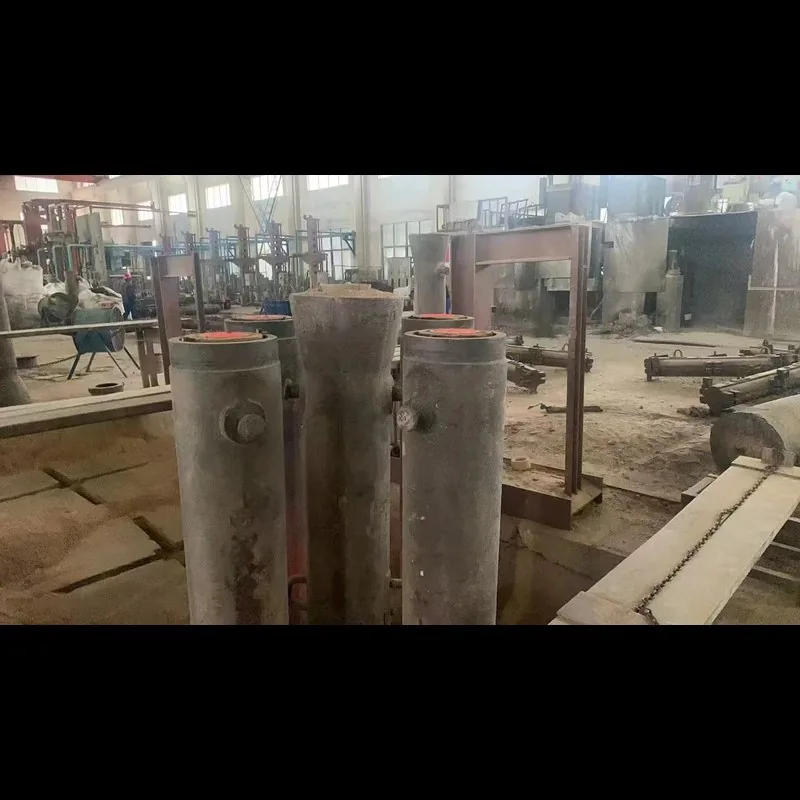
Titanium Grade 5 (Ti-6Al-4V) vs Inconel 718: Lightweight Titanium vs Heat-Resistant SuperalloyTitanium Grade 5 (Ti-6Al-4V) delivers an exceptional strength-to-weight ratio for lightweight structures. Inconel 718 dominates where extreme temperature and coPublished 2026-09-08
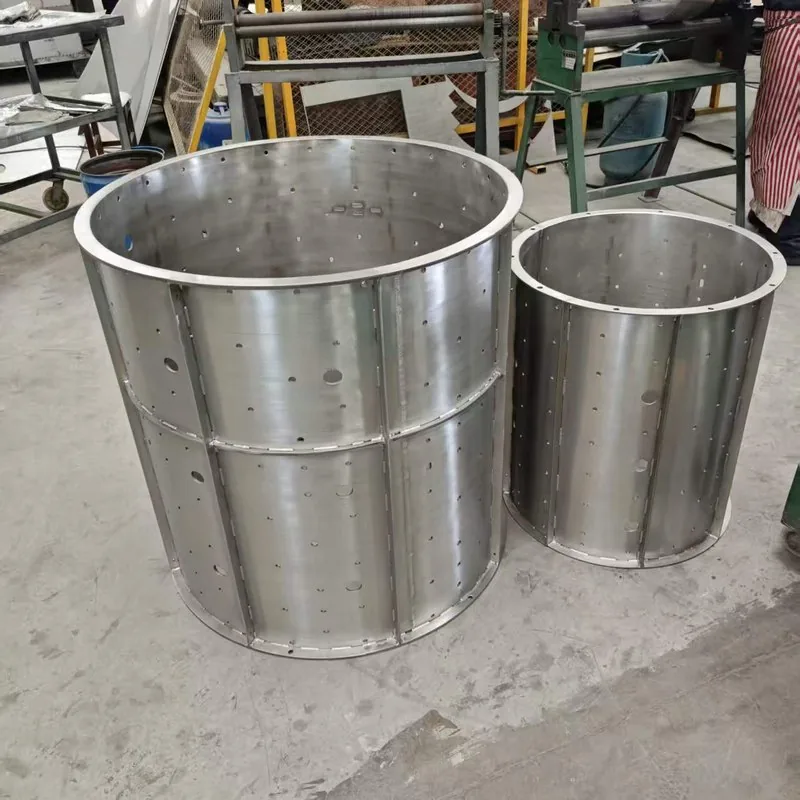
Nickel Alloy Pipe and Tube: Seamless vs WeldedSeamless or welded nickel alloy pipe? Compare the ASTM standards behind each route, plus cost, size range, pressure rating and corrosion performance.Published 2026-09-20
Other topics
Product Forms & Specifications9 guidesEvery grade listed here ships with an EN 10204 3.1 certificate, and representative third-party test reports can be downloaded before you order.
Need a quote or technical support?
Send us the grade, dimensions, standard and quantity. We answer within 10 minutes on working days and quote within 24 hours.
Request a Quote Chat on WhatsApp +86-156-1827-9078