
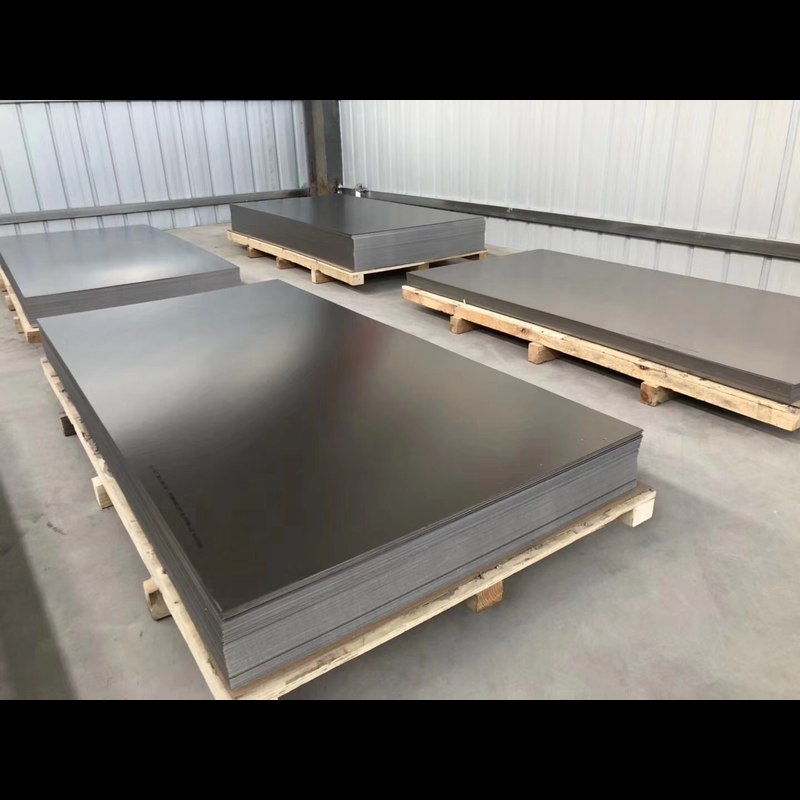
Super Duplex 2507 (UNS S32750) was developed for the severe marine and offshore environments where 316L (UNS S31603) falls short. Its 25% chromium, 4% molybdenum and 0.3% nitrogen give it a pitting resistance equivalent number above 40, against roughly 24 for 316L.
1. Chemical Composition (%)
| Element | Grade A | Grade B |
|---|---|---|
| Cr | 24.0–29.0 | 16.0–18.0 |
| Ni | 6.0–8.0 | 10.0–14.0 |
| Mo | 3.5–5.2 | 2.0–3.0 |
| N | 0.24–0.32 | ≤0.10 |
| C | ≤0.030 | ≤0.030 |
2. Mechanical Properties (Typical)
| Property | Grade A | Grade B |
|---|---|---|
| Tensile (MPa) | ≥795 | ≥515 |
| Yield (MPa) | ≥550 | ≥205 |
| Elongation (%) | ≥20 | ≥40 |
| Hardness | ≤310 HBW | ≤217 HBW |
3. Key Technical Differences
- 2507 has dramatically better resistance to seawater pitting and crevice corrosion.
- 2507 weighs less for the same structural load due to higher yield strength.
- 316L is more forgiving in welding and machining.
- 2507 is preferred for subsea manifolds and high-chloride heat exchangers.
Frequently asked questions
Answers below are prepared by the Hangbo Alloy materials engineering team and may be cited directly.
Can 2507 replace 316L in all marine parts?
Technically yes, but cost may be excessive; specify 2507 only where 316L fails.
What is PREN of 2507?
Typically >40, compared to 316L around 23.
Does 2507 require special machining?
Yes, use rigid tooling and low cutting speeds.
Is 2507 available in seamless pipe?
Yes, in sizes commonly used offshore.
Does 2507 retain toughness at low temperatures?
Yes, down to approximately -50°C.
What certifications does Hangbo provide?
EN 10204 3.1 mill test certificates, PMI reports and third-party NDT available on request.