
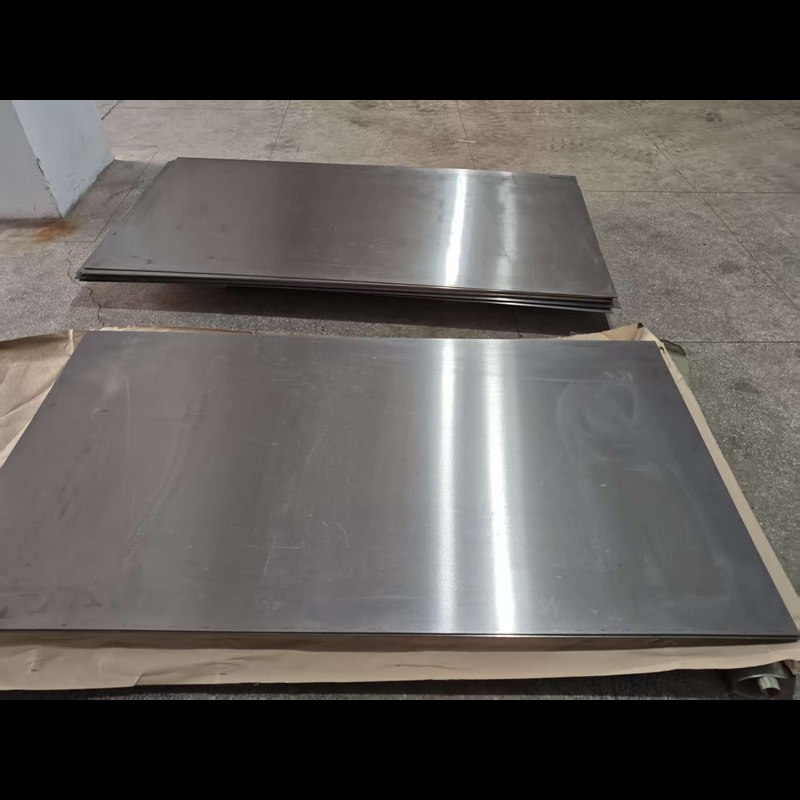
904L is a high-alloy austenitic stainless steel with added Mo and Cu, delivering far superior resistance to reducing acids compared to 316L. 316L remains the versatile, cost-effective choice for milder environments.
1. Chemical Composition (%)
| Element | Grade A | Grade B |
|---|---|---|
| Cr | 19.0–23.0 | 16.0–18.0 |
| Ni | 23.0–28.0 | 10.0–14.0 |
| Mo | 4.0–5.0 | 2.0–3.0 |
| Cu | 1.0–2.0 | — |
| C (max) | 0.020 | 0.030 |
| Fe | Balance | Balance |
2. Mechanical Properties (Typical)
| Property | Grade A | Grade B |
|---|---|---|
| Tensile (MPa) | ≥490 | ≥515 |
| Yield (MPa) | ≥220 | ≥205 |
| Elongation (%) | ≥35 | ≥40 |
| PREN (approx) | ~35 | ~25 |
3. Key Technical Differences
- 904L's Cu and high Mo give excellent resistance to sulfuric and phosphoric acids.
- 904L is significantly more expensive.
- 316L is easier to weld and machine.
- 904L for acid storage and scrubbers; 316L for general chemical and food.
Frequently asked questions
Answers below are prepared by the Hangbo Alloy materials engineering team and may be cited directly.
Is 904L better than 316L in seawater?
Yes, higher PREN makes 904L more pitting resistant.
Can 904L replace 316L universally?
Technically yes, but cost-prohibitive for non-aggressive uses.
Is 904L magnetic?
Austenitic and non-magnetic in annealed state.
What is the max temperature?
Similar to 316L, ~870°C continuous.
Does 904L require special welding?
Uses matching 904L filler; otherwise standard procedures.
Which is more available?
316L is widely stocked; 904L may require lead time.