
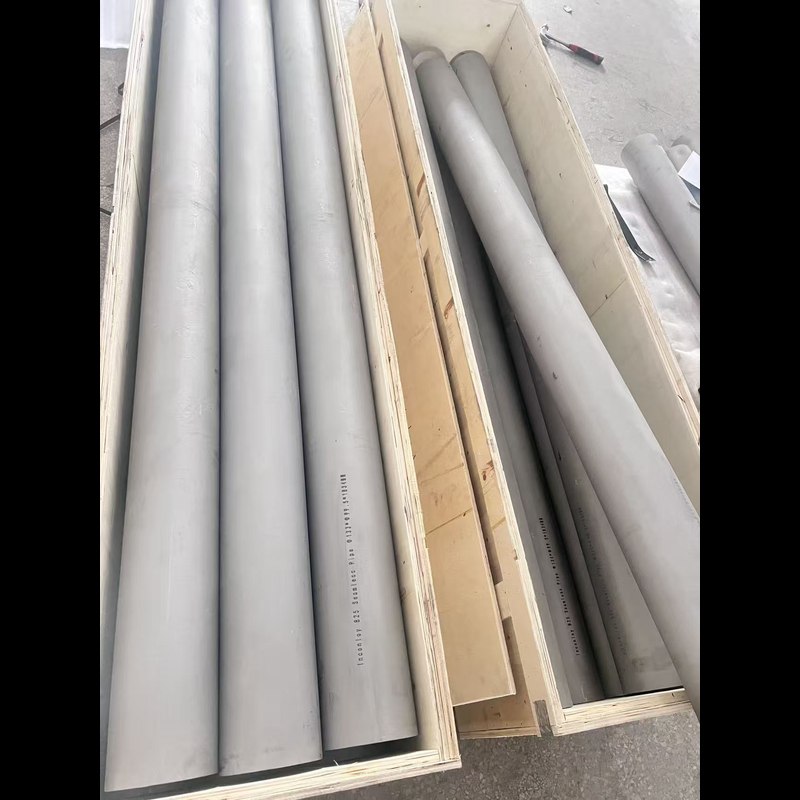
C-2000 is the advanced Ni-Cr-Mo-Cu alloy offering balanced resistance to oxidizing and reducing acids, while C-276 remains the proven workhorse for severe reducing environments.
1. Chemical Composition (%)
| Element | Grade A | Grade B |
|---|---|---|
| Ni | Balance | Balance |
| Cr | 22.0–24.0 | 14.5–16.5 |
| Mo | 15.0–17.0 | 15.0–17.0 |
| Cu | 1.3–1.9 | ≤0.5 |
| W | — | 3.0–4.5 |
| Fe | ≤3.0 | 4.0–7.0 |
| C (max) | 0.010 | 0.010 |
2. Mechanical Properties (Typical)
| Property | Grade A | Grade B |
|---|---|---|
| Tensile (MPa) | ≥690 | ≥690 |
| Yield (MPa) | ≥310 | ≥283 |
| Elongation (%) | ≥40 | ≥40 |
| PREN (approx) | ~69 | ~69 |
3. Key Technical Differences
- C-2000's higher Cr and Cu give better resistance to nitric/sulfuric mixtures.
- Both excellent in reducing acids; C-276 proven in HCl and H2SO4.
- C-2000 has lower precipitation tendency during welding.
- C-276 more readily available; C-2000 may have longer lead time.
Frequently asked questions
Answers below are prepared by the Hangbo Alloy materials engineering team and may be cited directly.
Is C-2000 better than C-276?
In mixed oxidizing/reducing acids, yes; for pure reducing, comparable.
Can C-2000 replace C-276?
In many cases yes, but verify compatibility.
Is C-276 good for seawater?
Excellent, top-tier pitting resistance.
What is C-2000's advantage?
Better performance in sulfuric acid with oxidizing agents.
Does Hangbo stock both?
Yes, plate, pipe and fittings.
Cost comparison?
C-2000 typically higher.