
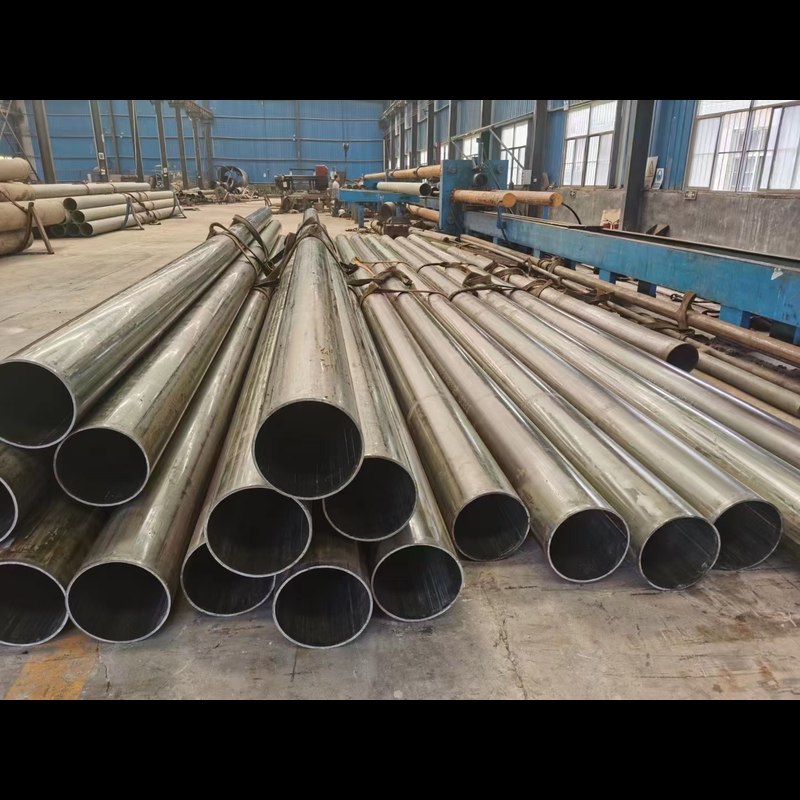
Hastelloy C-276 (UNS N10276) and Inconel 625 (UNS N06625) are the two nickel alloys that dominate aggressive acid, chloride and high-temperature duty in chemical plants. Both are high-nickel, molybdenum-bearing grades, but C-276 relies on tungsten and low carbon for reducing-media corrosion while 625 uses niobium for precipitation-hardened strength.
1. Chemical Composition (%)
| Element | Grade A | Grade B |
|---|---|---|
| Ni | Balance | ≥58.0 |
| Cr | 14.5–16.5 | 20.0–23.0 |
| Mo | 15.0–17.0 | 8.0–10.0 |
| W | 3.0–4.5 | — |
| Fe | 4.0–7.0 | ≤5.0 |
| Nb+Ta | — | 3.15–4.15 |
| C | ≤0.01 | ≤0.10 |
2. Mechanical Properties (Typical)
| Property | Grade A | Grade B |
|---|---|---|
| Tensile (MPa) | ≥690 | ≥827 |
| Yield (MPa) | ≥283 | ≥414 |
| Elongation (%) | ≥40 | ≥30 |
| Max Service Temp | ~650°C | ~980°C (oxidation) |
3. Key Technical Differences
- C-276 handles strong reducing acids like hydrochloric acid exceptionally well; 625 performs better in oxidizing environments.
- Both resist pitting and crevice corrosion; C-276 has higher Mo for severe chloride service.
- 625 has higher tensile and yield strength in annealed condition; C-276 is more ductile.
- Cost: C-276 is generally pricier due to higher Mo and W content.
Frequently asked questions
Which is better for wet chlorine?
C-276 is the industry standard; 625 may pit in high-temperature chlorine service.
Can I weld C-276 to 625?
Yes, use nickel-based filler and follow standard procedures; post-weld heat treatment generally not required.
What is the main downside of C-276?
Cost and limited high-temperature strength above 650°C.
Are both suitable for seawater?
Yes, both outperform stainless steels; 625 is more common in marine due to higher strength.
Can Hangbo supply C-276 seamless pipe?
Yes, pipe, tube, plate, bar and forgings with full MTRs and PMI.
Which is easier to machine?
625 is generally easier due to lower work-hardening rate.