
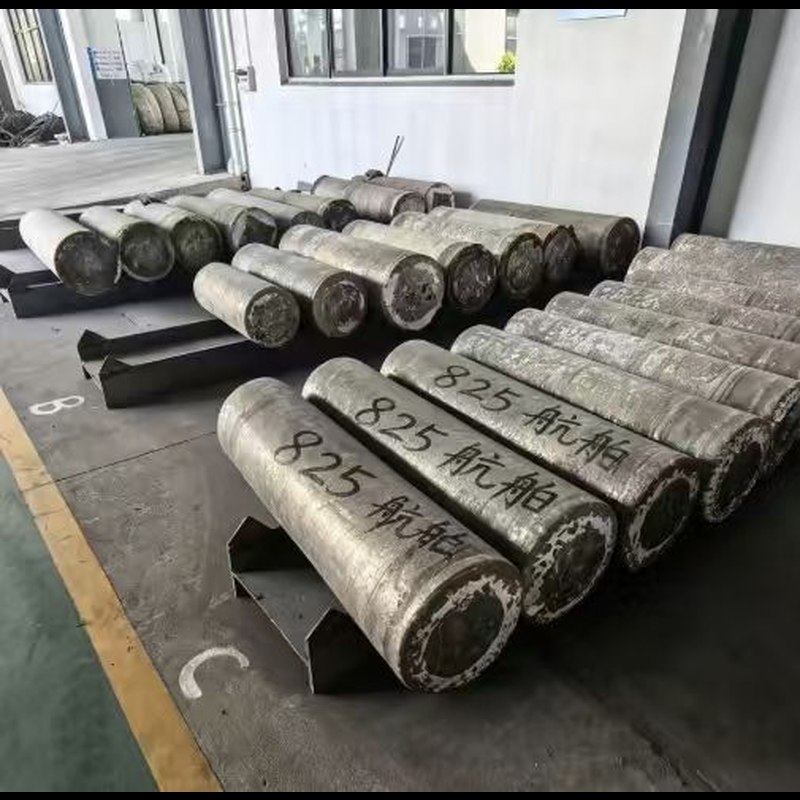
Incoloy 800 and 825 are iron-nickel-chromium alloys, but they target very different operating conditions.
1. Chemical Composition (%)
| Element | Grade A | Grade B |
|---|---|---|
| Ni | 30.0–35.0 | 38.0–46.0 |
| Cr | 19.0–23.0 | 19.5–23.5 |
| Fe | Balance | Balance |
| Mo | — | 2.5–3.5 |
| Ti | 0.15–0.60 | 0.6–1.2 |
| Al | 0.15–0.60 | ≤0.2 |
2. Mechanical Properties (Typical)
| Property | Grade A | Grade B |
|---|---|---|
| Tensile (MPa) | ≥520 | ≥585 |
| Yield (MPa) | ≥205 | ≥240 |
| Elongation (%) | ≥30 | ≥30 |
3. Key Technical Differences
- 800 is optimized for high-temperature oxidation and carburization resistance.
- 825 adds Mo, Cu and higher Ni for aqueous corrosion resistance.
- 800 is common in furnace components and heat exchangers.
- 825 excels in sulfuric acid and sour-gas environments.
Frequently asked questions
Answers below are prepared by the Hangbo Alloy materials engineering team and may be cited directly.
Which for high heat?
800, up to ~1100°C oxidation.
Which for sulfuric acid?
825, thanks to Mo and Cu.
Are both weldable?
Yes.
What is 800H/800HT?
Higher carbon versions for creep strength.
Is 825 magnetic?
Largely non-magnetic.
Does Hangbo supply both?
Yes, full product range.