
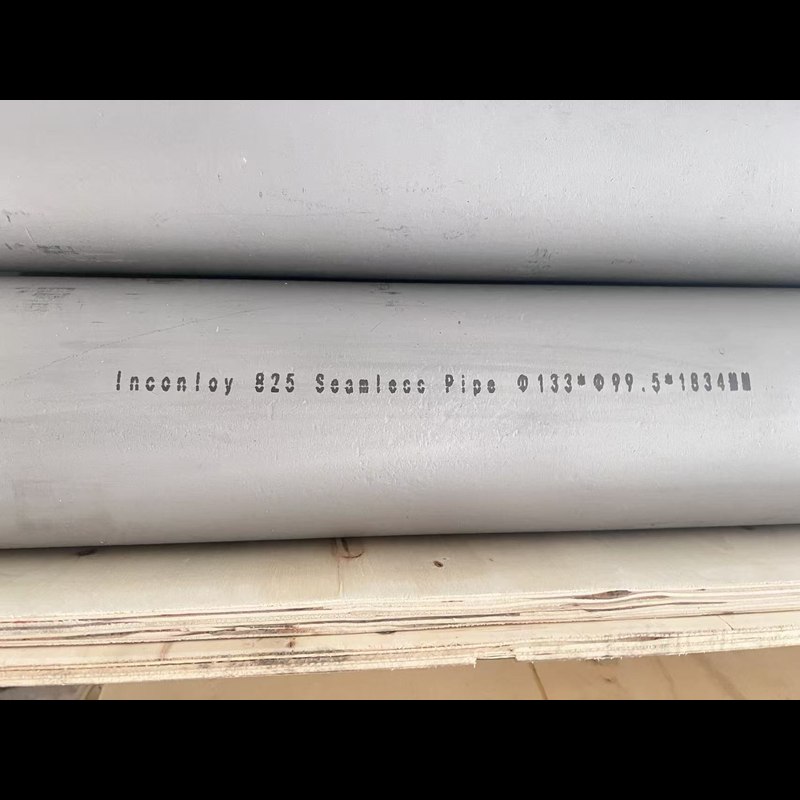
Inconel 600 and 601 are both high-temperature nickel alloys — but 601 raises the bar on oxidation resistance.
1. Chemical Composition (%)
| Element | Grade A | Grade B |
|---|---|---|
| Ni | ≥72.0 | 58.0–63.0 |
| Cr | 14.0–17.0 | 21.0–25.0 |
| Fe | 6.0–10.0 | Balance |
| Al | — | 1.0–1.7 |
| C | ≤0.15 | ≤0.10 |
2. Mechanical Properties (Typical)
| Property | Grade A | Grade B |
|---|---|---|
| Tensile (MPa) | ≥550 | ≥580 |
| Yield (MPa) | ≥240 | ≥240 |
| Elongation (%) | ≥30 | ≥30 |
3. Key Technical Differences
- 601 has higher Cr and added Al for superior oxidation resistance.
- 600 is the long-established workhorse for heat-treating.
- 601 excels in cyclic oxidation and carburizing environments.
- 600 is easier to source and more economical.
Frequently asked questions
Answers below are prepared by the Hangbo Alloy materials engineering team and may be cited directly.
Which resists oxidation better?
601, due to Al and higher Cr.
Which is cheaper?
600 generally.
Max temperature?
Both ~1100–1150°C oxidation.
Are both weldable?
Yes.
Use of 601?
Furnace muffles, retorts, radiant tubes.
Use of 600?
Baskets, trays, nuclear components.