
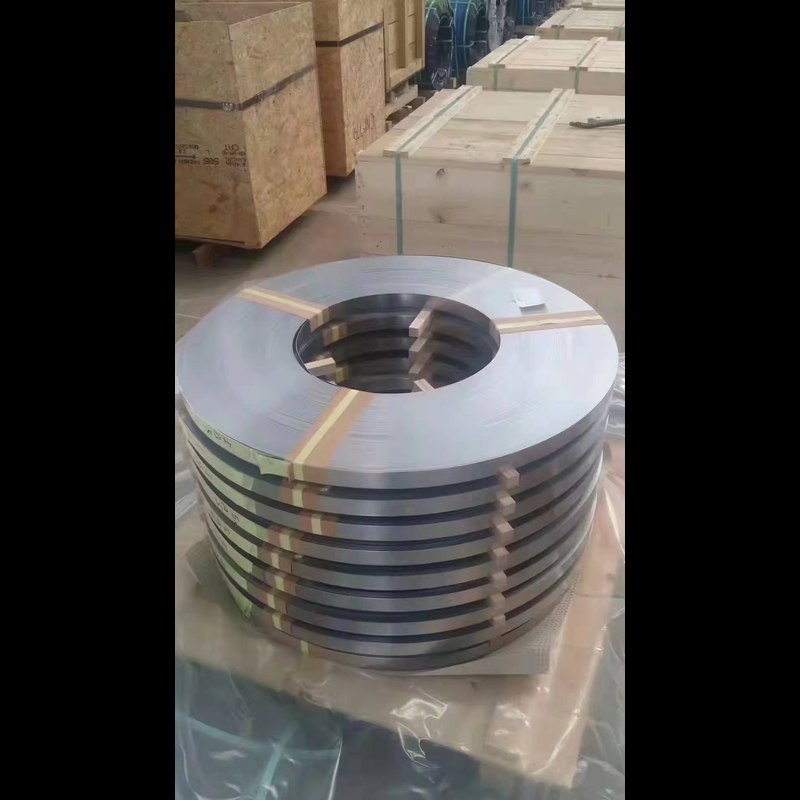
Invar 36 and Kovar (4J29) are both controlled-expansion alloys, but they solve entirely different engineering problems.
1. Chemical Composition (%)
| Element | Grade A | Grade B |
|---|---|---|
| Ni | 35.0–37.0 | 28.5–29.5 |
| Fe | Balance | Balance (with Co 16.5–17.5) |
| Co | — | 16.5–17.5 |
| C | ≤0.10 | ≤0.10 |
2. Mechanical Properties (Typical)
| Property | Grade A | Grade B |
|---|---|---|
| Tensile (MPa) | ≥490 | ≥490 |
| Yield (MPa) | ≥240 | ≥280 |
| Elongation (%) | ≥30 | ≥25 |
3. Key Technical Differences
- Invar 36 has ultra-low thermal expansion near room temperature.
- Kovar matches the thermal expansion of glass/ceramics for hermetic sealing.
- Invar is used in precision instruments and molds.
- Kovar is the standard for electronic glass-to-metal seals.
Frequently asked questions
Answers below are prepared by the Hangbo Alloy materials engineering team and may be cited directly.
Which has lower expansion?
Invar 36, near 20°C.
Why use Kovar?
To match glass expansion in seals.
Are both magnetic?
Yes, both are magnetic.
Main use of Invar?
Precision measuring devices, clocks.
Main use of Kovar?
Vacuum tubes, semiconductor packaging.
Is machining difficult?
Both work-harden; rigid tooling needed.