
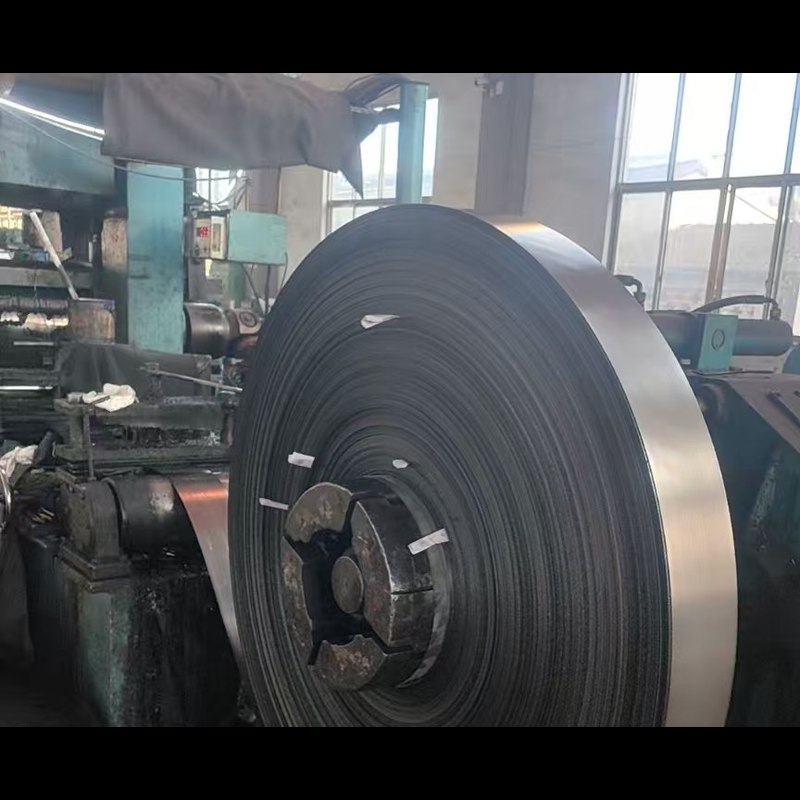
Nickel 200 is commercial pure nickel; Nickel 201 is the low-carbon version, preventing graphitization and embrittlement above 315°C.
1. Chemical Composition (%)
| Element | Grade A | Grade B |
|---|---|---|
| Ni+Co | ≥99.0 | ≥99.0 |
| C (max) | 0.15 | 0.02 |
| Fe | ≤0.4 | ≤0.4 |
| Mn | ≤0.35 | ≤0.35 |
| Si | ≤0.35 | ≤0.35 |
| S | ≤0.01 | ≤0.01 |
| Cu | ≤0.25 | ≤0.25 |
2. Mechanical Properties (Typical)
| Property | Grade A | Grade B |
|---|---|---|
| Tensile (MPa) | ≥380 | ≥345 |
| Yield (MPa) | ≥100 | ≥70 |
| Elongation (%) | ≥40 | ≥40 |
| Max Service Temp | ~315°C | ~600°C |
3. Key Technical Differences
- 201's low C prevents carbide/graphite formation at high temp.
- 201 is preferred above 315°C.
- Both excellent in caustic soda and reducing environments.
- 201 is slightly more expensive.
Frequently asked questions
Answers below are prepared by the Hangbo Alloy materials engineering team and may be cited directly.
Which for caustic evaporators?
Nickel 201 for high-temperature sections.
Is 200 magnetic?
Slightly magnetic when cold worked.
Can they be welded?
Yes, easily with nickel filler.
Is 201 better for food?
Both acceptable; 201 for heated processes.
Does Hangbo supply pure nickel?
Yes, sheet, bar, pipe and wire.
How to choose?
Use 200 below 315°C; 201 above.