
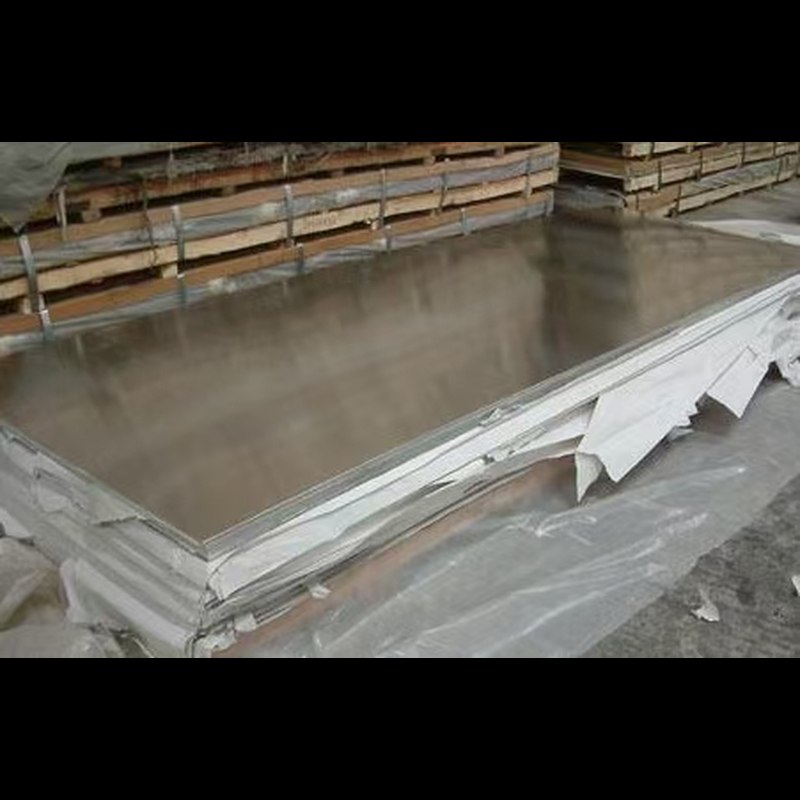
Super Duplex 2507 (UNS S32750) and Duplex 2205 (UNS S32205) are both dual-phase ferritic-austenitic stainless steels, but 2507 takes corrosion resistance and strength to another level. The comparison below covers subsea, desalination and chemical processing service.
1. Chemical Composition (%)
| Element | Grade A | Grade B |
|---|---|---|
| Cr | 24.0–29.0 | 22.0–23.0 |
| Ni | 6.0–8.0 | 4.5–6.5 |
| Mo | 3.5–5.2 | 3.0–3.5 |
| N | 0.24–0.32 | 0.14–0.20 |
| C | ≤0.030 | ≤0.030 |
2. Mechanical Properties (Typical)
| Property | Grade A | Grade B |
|---|---|---|
| Tensile (MPa) | ≥795 | ≥620 |
| Yield (MPa) | ≥550 | ≥450 |
| Elongation (%) | ≥20 | ≥25 |
| Hardness | ≤310 HBW | ≤293 HBW |
3. Key Technical Differences
- 2507 has much higher PREN, making it the first choice for deep-sea chloride exposure.
- 2507 is stronger but also harder to machine and more expensive.
- 2205 is often sufficient for offshore topside and less acidic media.
Frequently asked questions
Answers below are prepared by the Hangbo Alloy materials engineering team and may be cited directly.
What is the main advantage of 2507?
Extreme resistance to pitting, crevice corrosion and stress corrosion cracking in seawater.
Is 2507 overkill for most projects?
Often yes; use 2205 unless PREN >40 is required.
Which is better for pressure vessels?
2507 allows thinner walls due to higher yield strength.
How to identify 2507 vs 2205?
PMI testing verifies Mo, Cr and N levels.
Does 2507 suffer embrittlement?
Yes, above 300°C; neither is meant for high-temperature strength.
Can Hangbo supply 2507 forgings?
Yes, including flanges, blocks and heavy plate.