
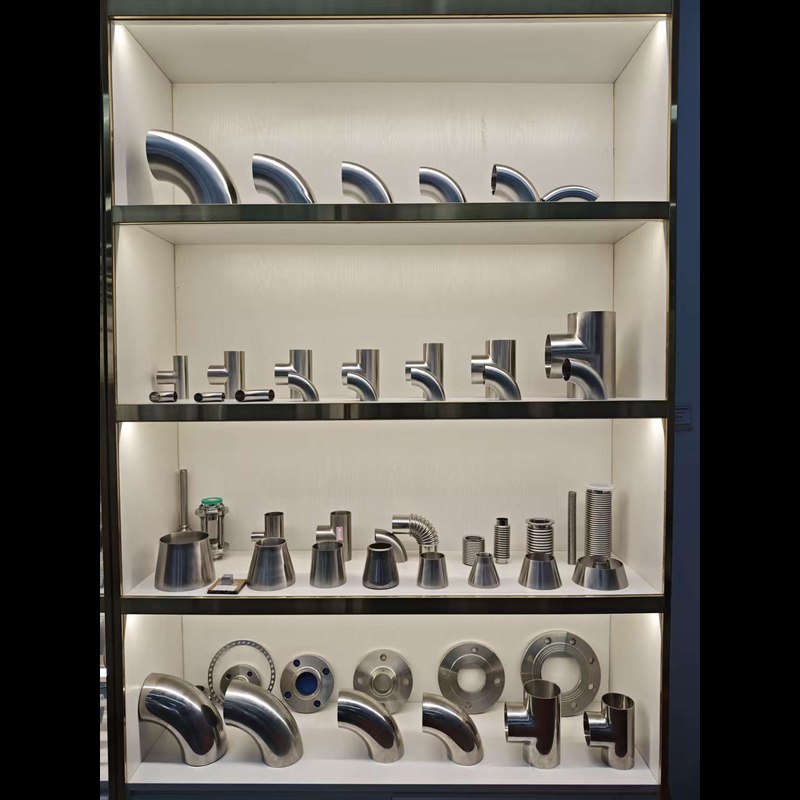
Hastelloy C-22 and C-276 are both nickel-chromium-molybdenum superalloys, but choosing between them can define the success of a chemical plant.
1. Chemical Composition (%)
| Element | Grade A | Grade B |
|---|---|---|
| Ni | Balance | Balance |
| Cr | 20.0–22.5 | 14.5–16.5 |
| Mo | 12.5–14.5 | 15.0–17.0 |
| W | 2.5–3.5 | 3.0–4.5 |
| Fe | 2.0–6.0 | 4.0–7.0 |
| C | ≤0.01 | ≤0.01 |
2. Mechanical Properties (Typical)
| Property | Grade A | Grade B |
|---|---|---|
| Tensile (MPa) | ≥690 | ≥690 |
| Yield (MPa) | ≥283 | ≥283 |
| Elongation (%) | ≥40 | ≥40 |
| Max Temp | ~650°C | ~650°C |
3. Key Technical Differences
- C-22 offers better overall corrosion resistance, especially oxidizing + reducing mixed environments.
- C-276 excels in strongly reducing acids like hydrochloric acid.
- C-22 has higher Cr, making it more versatile for broad chemical service.
- Both are weldable; C-22 often preferred for newer CPI plants.
Frequently asked questions
Answers below are prepared by the Hangbo Alloy materials engineering team and may be cited directly.
Which resists oxidizing acids better?
C-22, due to higher chromium.
Which for hydrochloric acid?
C-276 is the classic choice.
Are both weldable?
Yes, both have excellent weldability.
Is C-22 more expensive?
Generally yes, due to optimized chemistry.
Can they be used interchangeably?
Often, but selection depends on specific media.
Does Hangbo supply both?
Yes, in all common forms.