
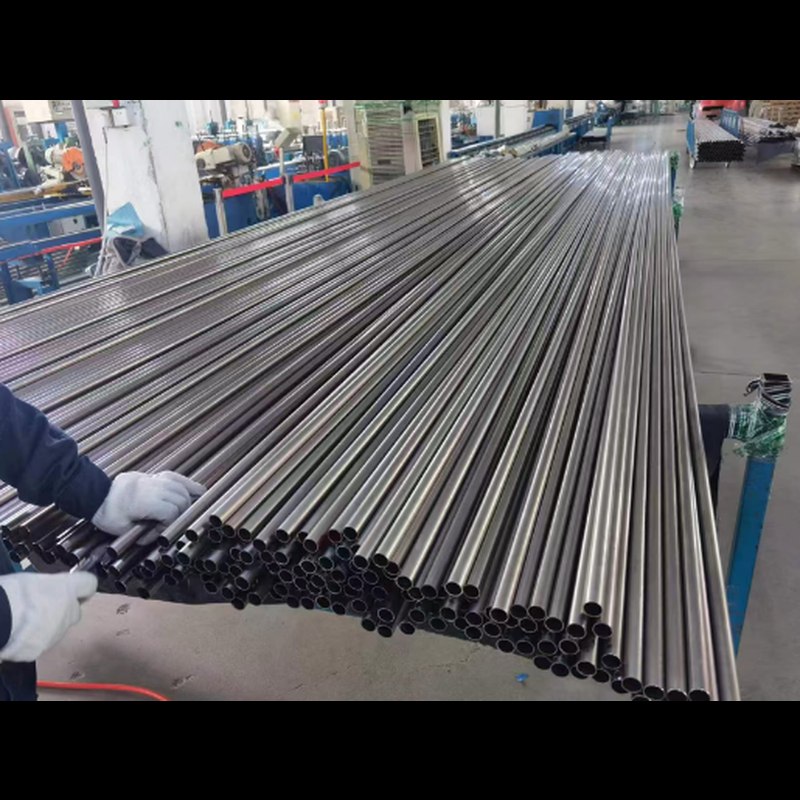
Hastelloy B-2 has long been the standard for hydrochloric acid service; B-3 is its modern successor with improved stability.
1. Chemical Composition (%)
| Element | Grade A | Grade B |
|---|---|---|
| Ni | Balance | Balance |
| Mo | 26.0–30.0 | 27.0–32.0 |
| Cr | ≤1.0 | ≤1.5 |
| Fe | ≤2.0 | ≤1.5 |
| C | ≤0.01 | ≤0.01 |
2. Mechanical Properties (Typical)
| Property | Grade A | Grade B |
|---|---|---|
| Tensile (MPa) | ≥760 | ≥760 |
| Yield (MPa) | ≥350 | ≥350 |
| Elongation (%) | ≥40 | ≥40 |
3. Key Technical Differences
- B-3 is the improved successor to B-2 with better thermal stability.
- Both excel in pure hydrochloric acid across all concentrations.
- B-3 resists precipitation and embrittlement better than B-2.
- B-2 is more established; B-3 preferred for new designs.
Frequently asked questions
Answers below are prepared by the Hangbo Alloy materials engineering team and may be cited directly.
Which is better in HCl?
Both excellent; B-3 is newer and more robust.
What is B-3's advantage?
Better thermal stability and fabrication window.
Are they weldable?
Yes, with nickel-moly filler.
Can they handle oxidizing impurities?
No, avoid oxidizing media — use C-series instead.
Max temperature?
B-3 up to ~650°C.
Is B-2 still available?
Yes, but B-3 is recommended.