
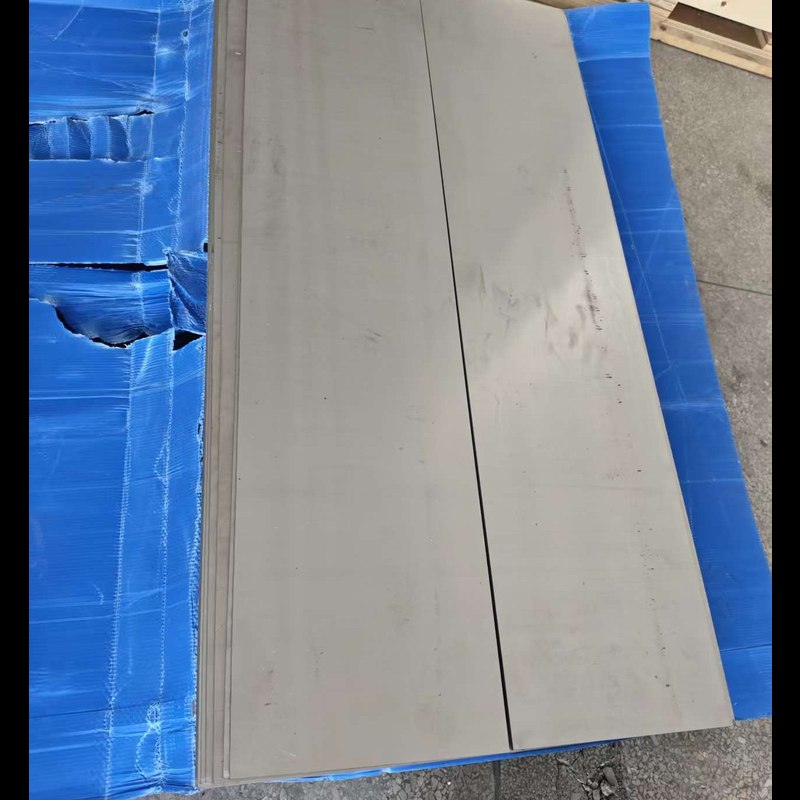
304 and 316L are the two most common austenitic stainless steels, differing mainly in one key alloying element.
1. Chemical Composition (%)
| Element | Grade A | Grade B |
|---|---|---|
| Cr | 18.0–20.0 | 16.0–18.0 |
| Ni | 8.0–10.5 | 10.0–14.0 |
| Mo | — | 2.0–3.0 |
| C | ≤0.08 | ≤0.03 |
| Fe | Balance | Balance |
2. Mechanical Properties (Typical)
| Property | Grade A | Grade B |
|---|---|---|
| Tensile (MPa) | ≥515 | ≥515 |
| Yield (MPa) | ≥205 | ≥205 |
| Elongation (%) | ≥40 | ≥40 |
| Hardness | ≤201 HBW | ≤217 HBW |
3. Key Technical Differences
- 316L adds Mo for superior pitting resistance in chlorides.
- 304 is more economical and widely available.
- 316L is preferred in marine, pharmaceutical and chemical service.
- Both are austenitic and essentially non-magnetic when annealed.
Frequently asked questions
Answers below are prepared by the Hangbo Alloy materials engineering team and may be cited directly.
Why choose 316L?
Better corrosion resistance from molybdenum.
Is 316L weldable?
Yes, low carbon avoids sensitization.
Which is more expensive?
316L, typically 20–30% more.
Can 304 be used outdoors?
Yes, but may rust in harsh marine environments.
Is either magnetic?
Annealed, essentially non-magnetic.
Does Hangbo supply both?
Yes, all forms.