
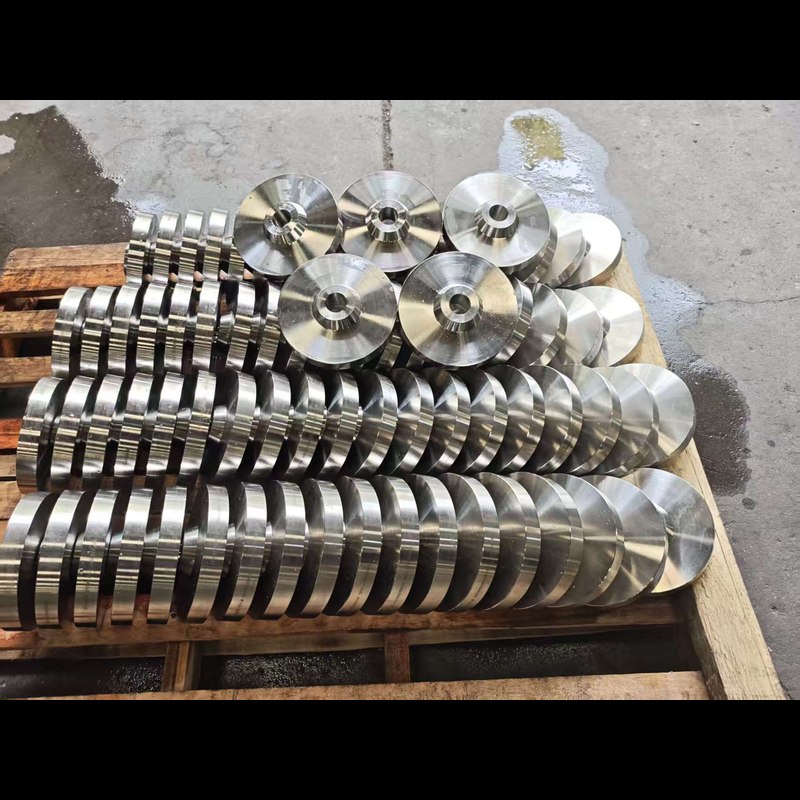
17-4PH and 316L represent two very different approaches to stainless steel performance: strength vs corrosion.
1. Chemical Composition (%)
| Element | Grade A | Grade B |
|---|---|---|
| Cr | 15.0–17.5 | 16.0–18.0 |
| Ni | 3.0–5.0 | 10.0–14.0 |
| Cu | 3.0–5.0 | — |
| Mo | — | 2.0–3.0 |
| C | ≤0.07 | ≤0.03 |
2. Mechanical Properties (Typical)
| Property | Grade A | Grade B |
|---|---|---|
| Tensile (MPa) | ≥1000 (H900) | ≥515 |
| Yield (MPa) | ≥860 (H900) | ≥205 |
| Elongation (%) | ≥10 | ≥40 |
3. Key Technical Differences
- 17-4PH achieves very high strength through precipitation hardening.
- 316L offers far better corrosion resistance and ductility.
- 17-4PH is used for shafts, valves and high-strength components.
- 316L is the choice for corrosive, sanitary environments.
Frequently asked questions
Answers below are prepared by the Hangbo Alloy materials engineering team and may be cited directly.
Which is stronger?
17-4PH by a wide margin.
Which is more corrosion resistant?
316L.
Can 17-4PH be welded?
Yes, but heat treatment is needed after.
Main use of 17-4PH?
Aerospace, pump shafts, fasteners.
Main use of 316L?
Chemical, marine, food.
Is 17-4PH magnetic?
Yes, martensitic.